



Smart Office Printing and Self-Service Retail Solutions by KeMore
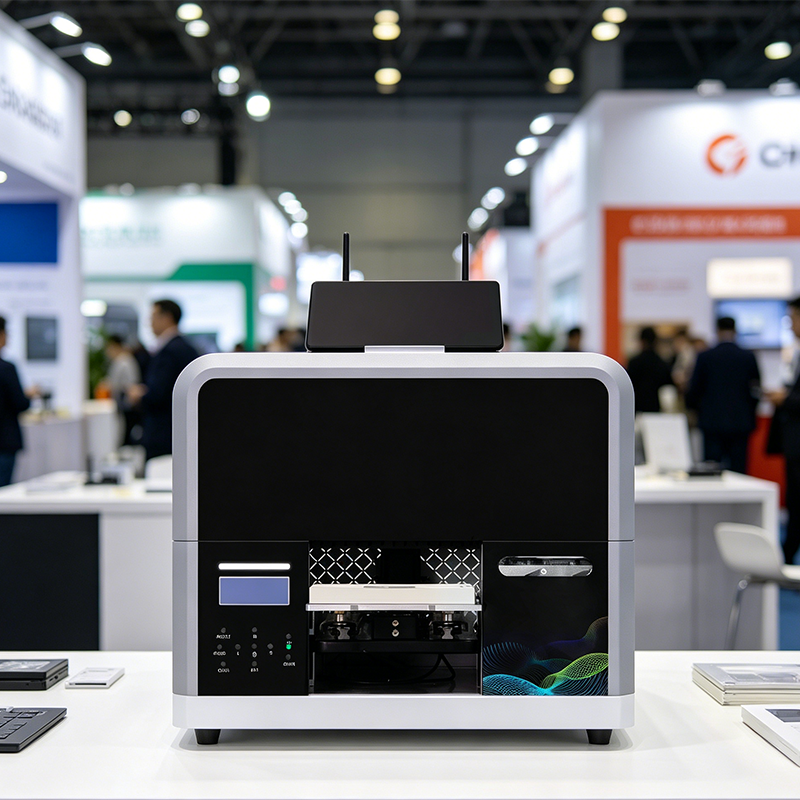
Businesses searching for a small office document printer often want more than a compact machine. They need dependable daily performance, straightforward operation, sensible use of space, and a solution that supports employees or customers without adding unnecessary complexity. At the same time, retailers and commercial operators increasingly require self-service technology that can connect physical equipment with digital ordering, customization, and efficient service delivery.
Choose Equipment Around the Real Workflow
The right office or retail equipment should begin with the task it must complete. A workplace may prioritize convenient document handling, simple user access, and a footprint that fits a reception area, shared office, classroom, or small service counter. A commercial location may place greater emphasis on unattended operation, customer interaction, personalization, and the ability to generate value in a high-traffic environment.
Instead of selecting equipment by appearance alone, buyers should consider expected usage, available space, operator involvement, maintenance access, user interface clarity, and the level of support required after installation. These criteria help prevent a common purchasing mistake: choosing a device that appears affordable initially but creates avoidable work through difficult setup, unclear operation, or limited service resources.
- Match the equipment to daily volume and the type of output required.
- Review the physical footprint, power requirements, access points, and placement environment.
- Consider whether staff-operated, assisted, or self-service use is the best fit.
- Confirm installation, training, customization, and after-sales expectations before purchase.
KeMore’s Smart Retail Perspective
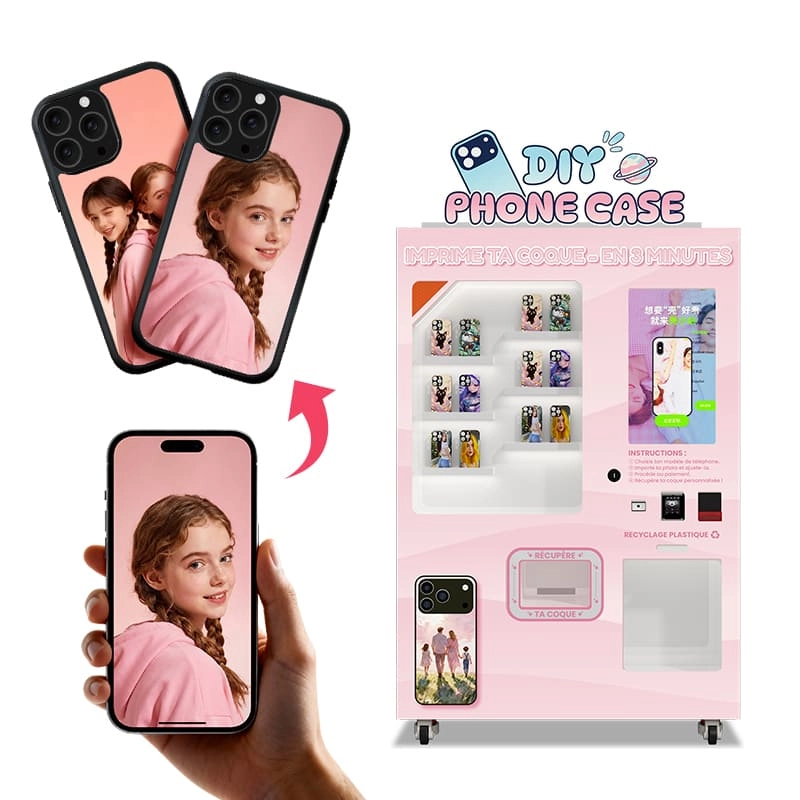
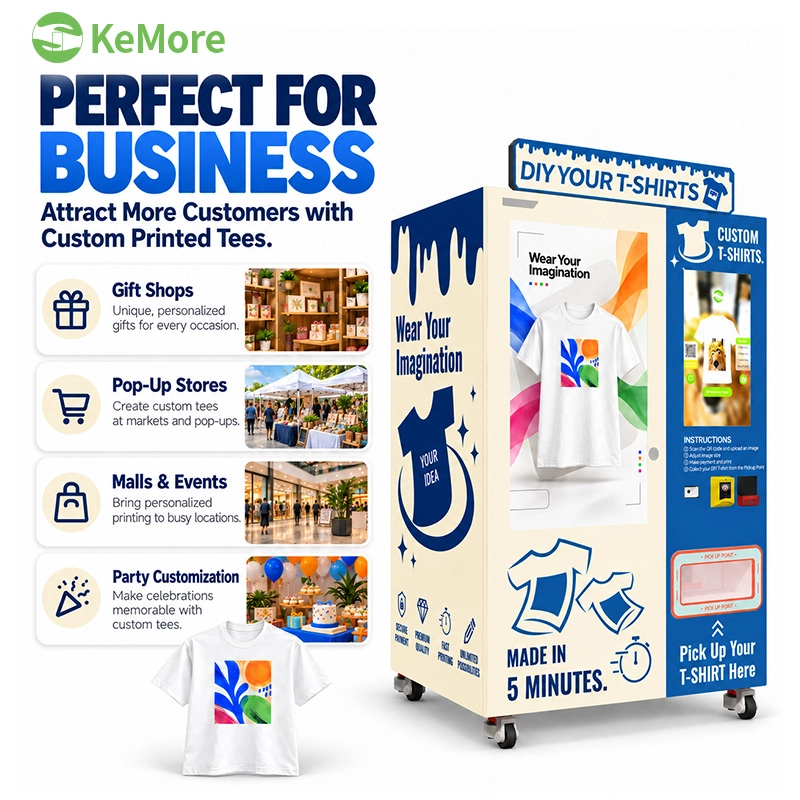
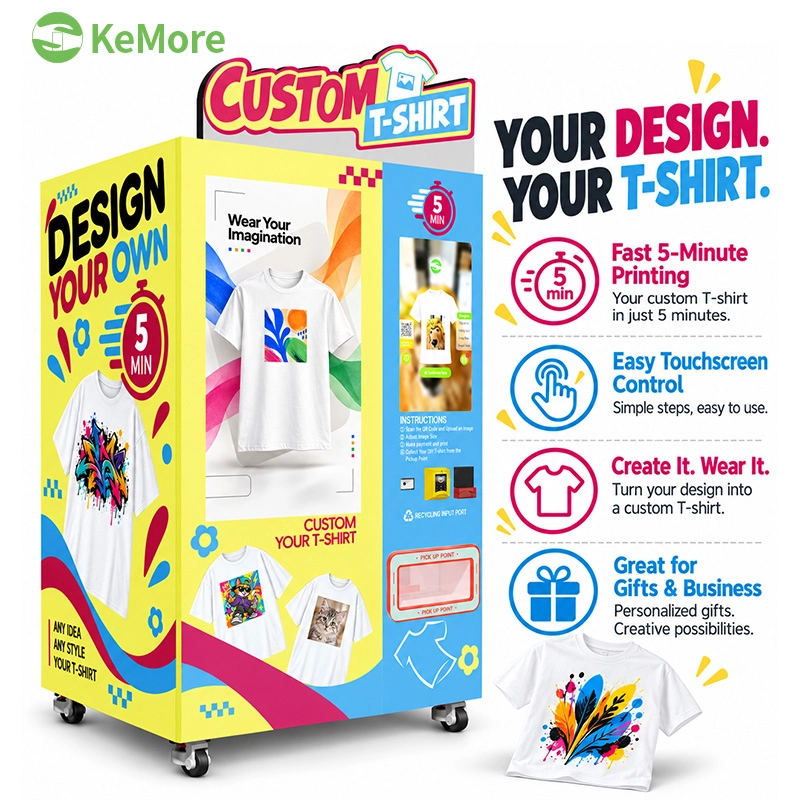
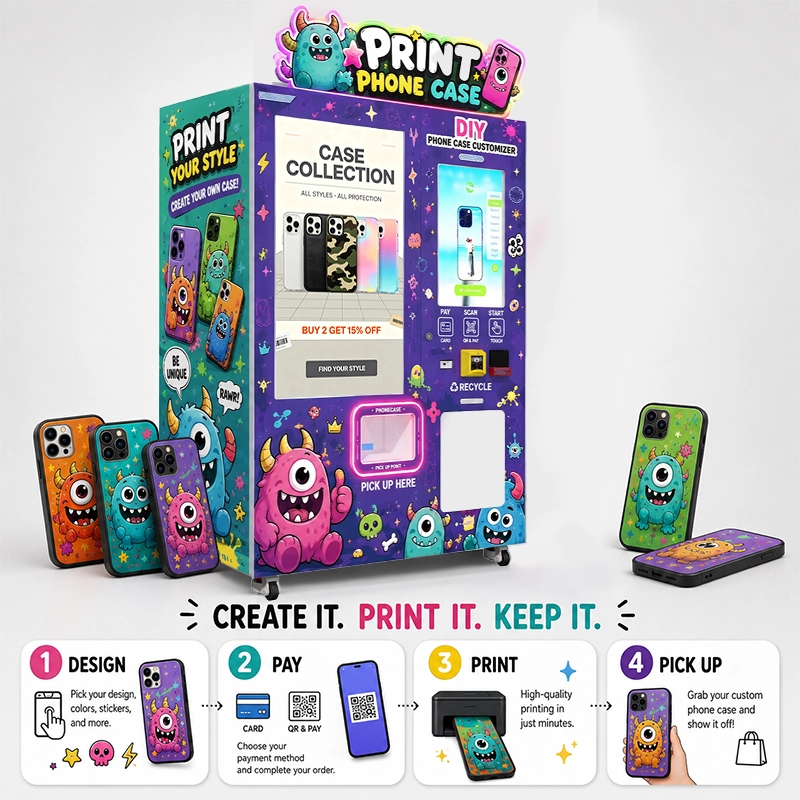
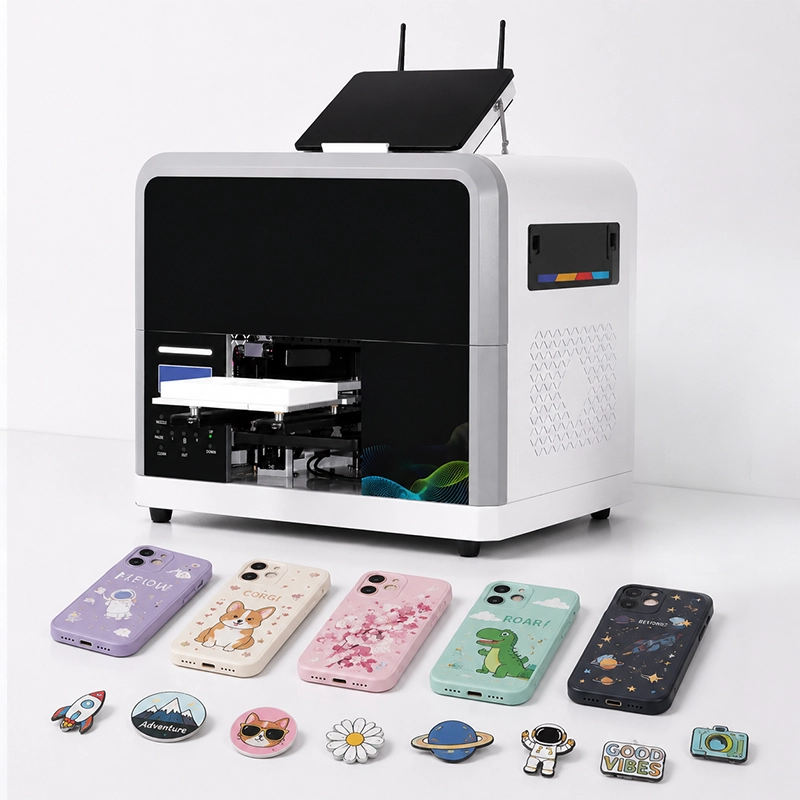
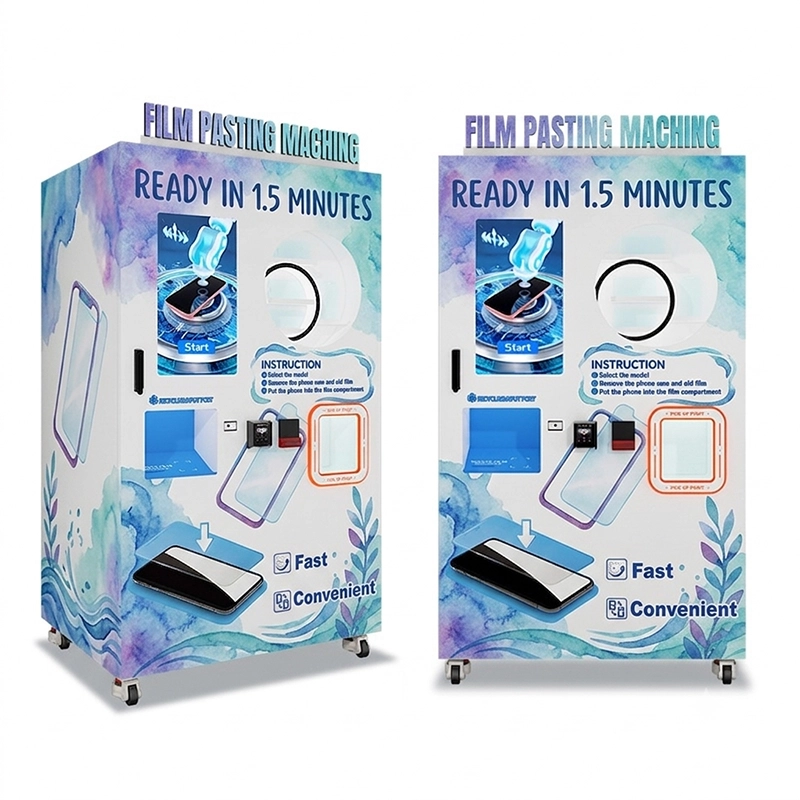
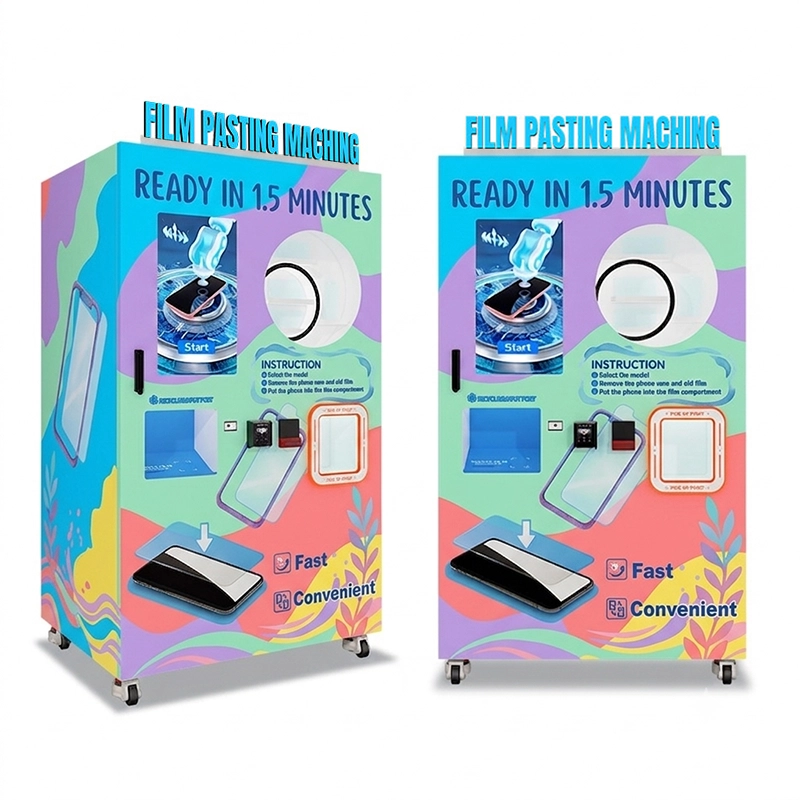
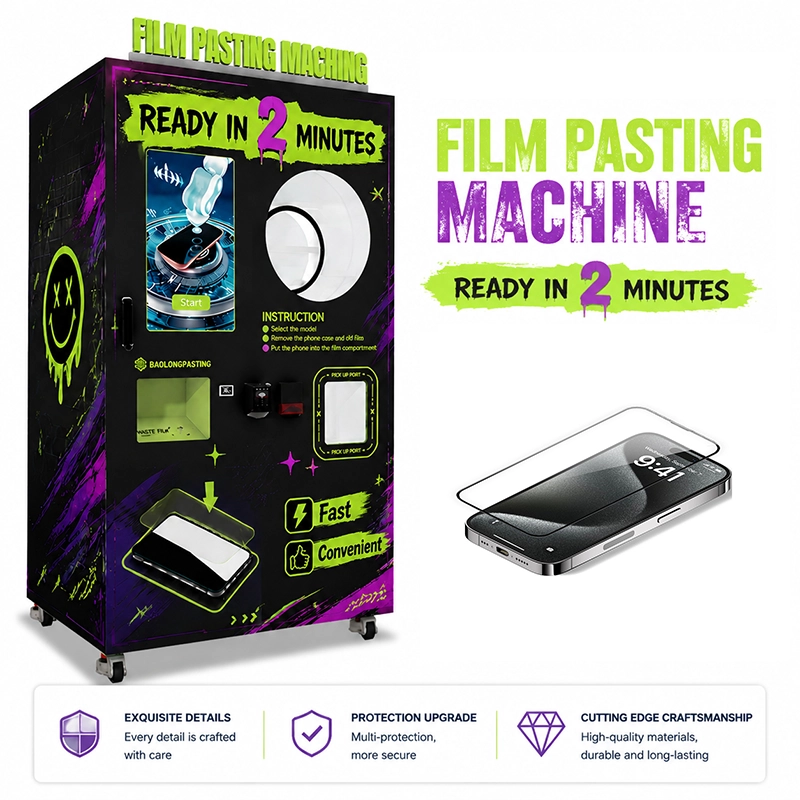
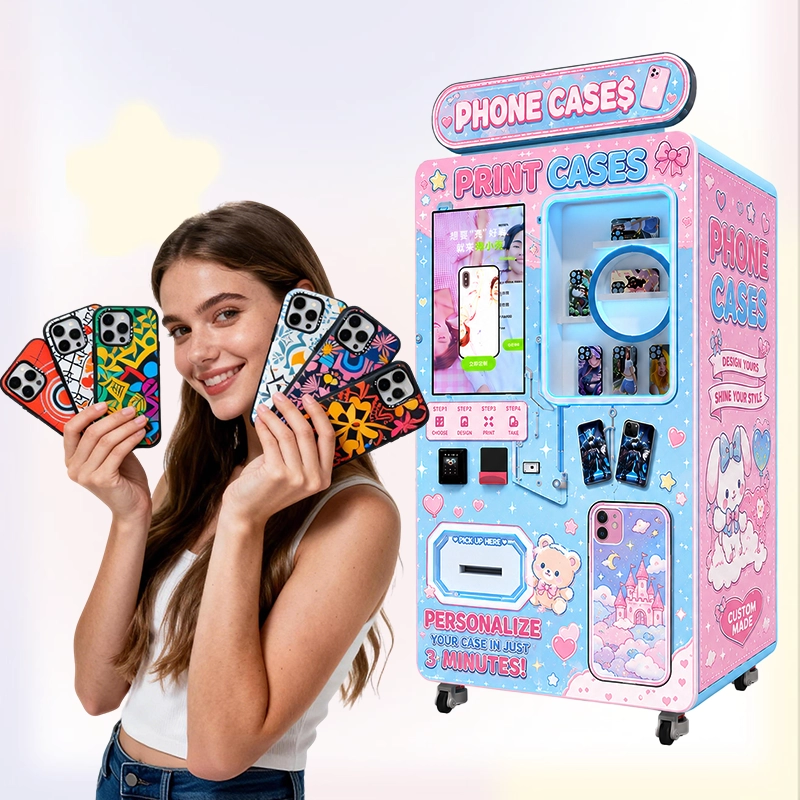
KeMore is operated by Guangzhou Kexiaozhan Technology Co., Ltd., which was founded in 2022 to advance mobile phone case customization through smart self-service technology. Its core solutions include phone case printing vending machines, custom phone case vending machines, screen protector application machines, UV printing equipment, and related intelligent retail systems.
This experience is especially relevant to organizations evaluating equipment as part of a broader service model. KeMore brings together hardware development, software integration, machine manufacturing, and market-operation knowledge, supporting customers from concept design through commercial deployment. The company’s approach recognizes that equipment must do more than perform a task: it should help simplify management, reduce avoidable labor, and create an engaging experience for the person using it.
KeMore reports that its products have entered more than 100 global markets and operate in shopping malls, retail stores, campuses, tourist attractions, airports, and other high-traffic locations. With a team of more than 120 members and a 17,000-square-meter production workshop, the company has established capabilities in research and development, production, quality control, customization, and after-sales service.
Plan for Reliable Deployment and Growth
Equipment becomes more valuable when it can be introduced smoothly and managed consistently. Before deployment, buyers should define who will use the system, how customers or employees will receive assistance, how consumables or materials will be replenished, and which performance indicators will determine success. A clear operating plan supports better placement, faster adoption, and more predictable maintenance.
For companies operating in the vending machine industry, the strongest solutions combine convenience with a clear commercial purpose. A machine should attract attention, guide users through the process, and fit naturally into the surrounding environment. It should also support the business model, whether that means reducing service friction, extending operating hours, improving personalization, or creating a new point of sale.
KeMore’s field-innovation and business-verticalization philosophy reflects this broader view. Rather than treating smart retail equipment as a standalone purchase, the company develops solutions around real commercial settings and specific customer needs. Buyers should discuss location, target users, product configuration, branding, software requirements, deployment scale, and service expectations early so the final solution is practical as well as visually compelling.
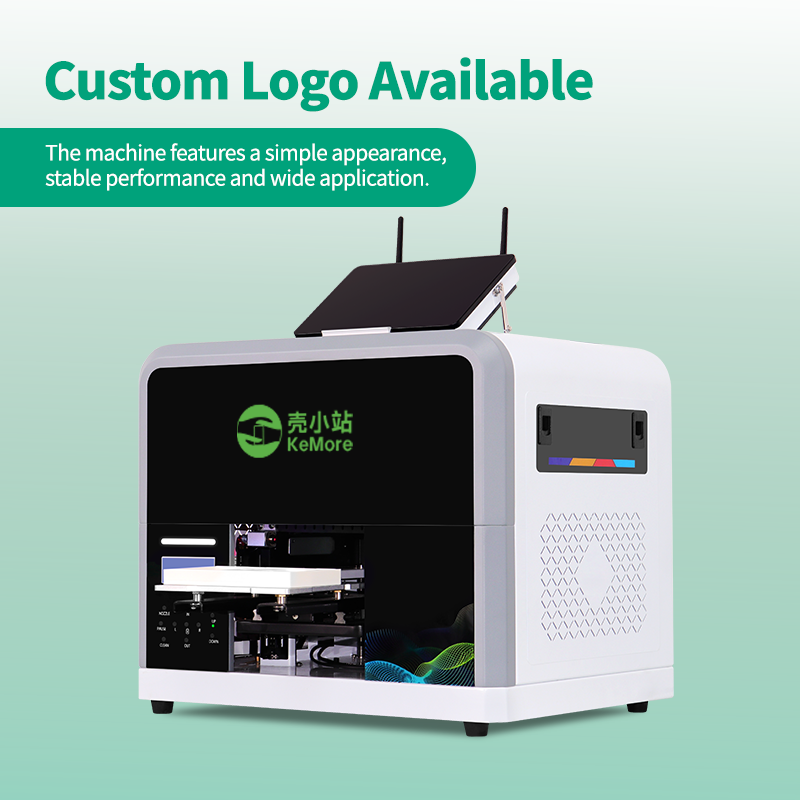
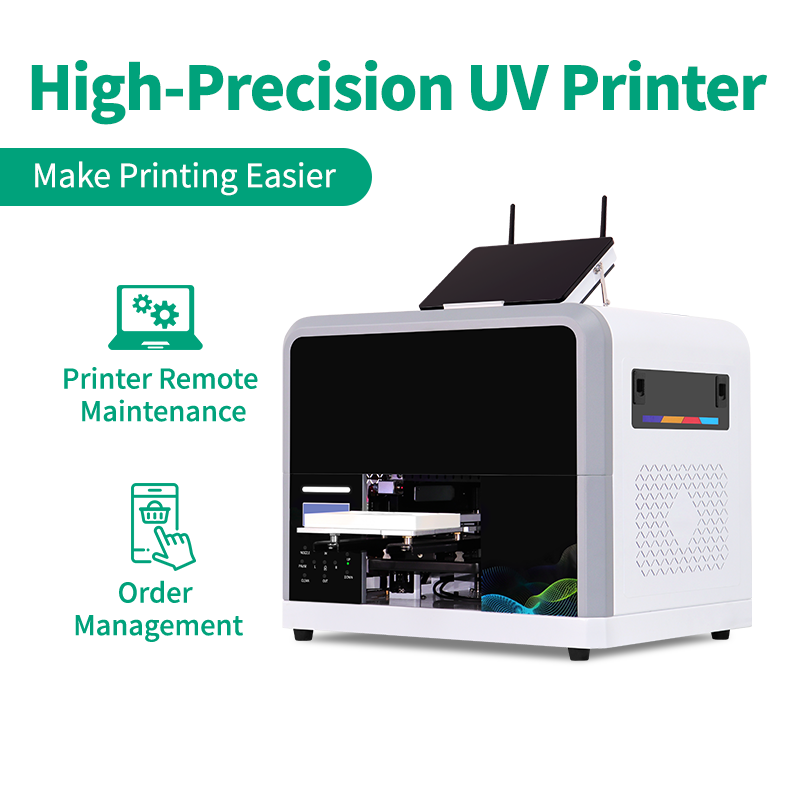
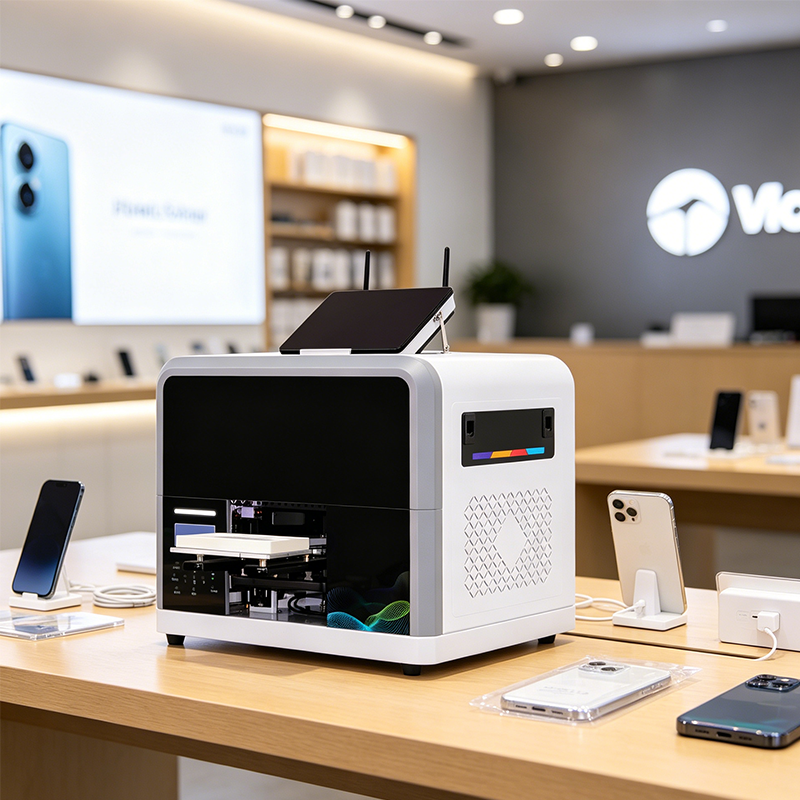
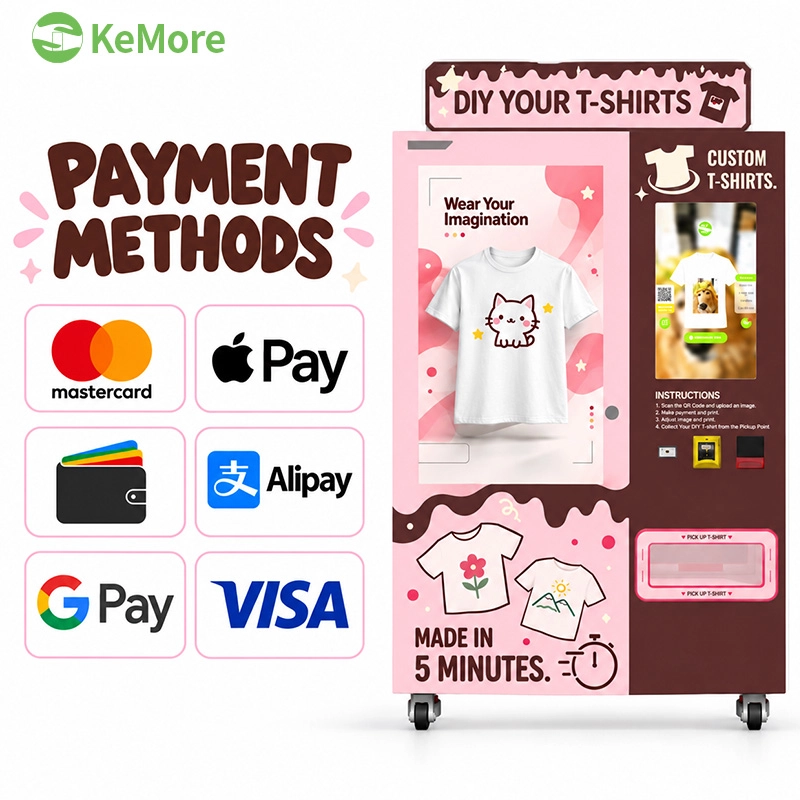
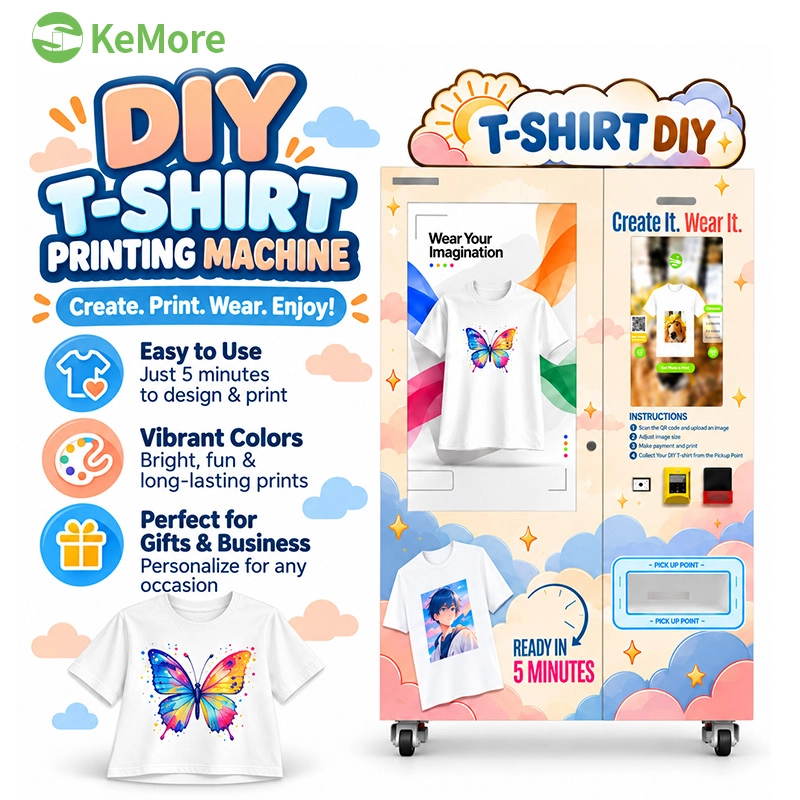
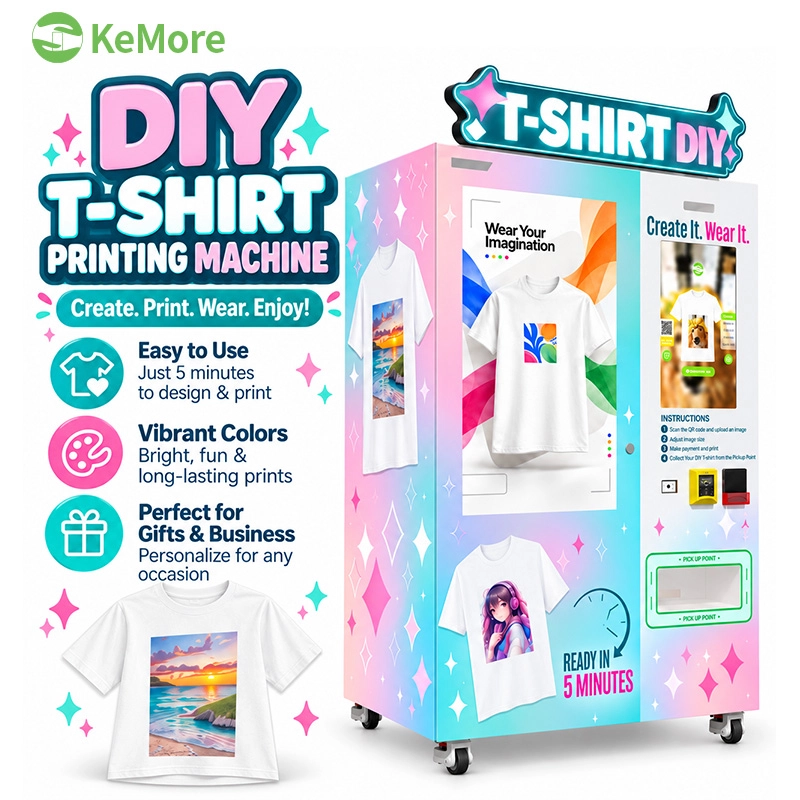
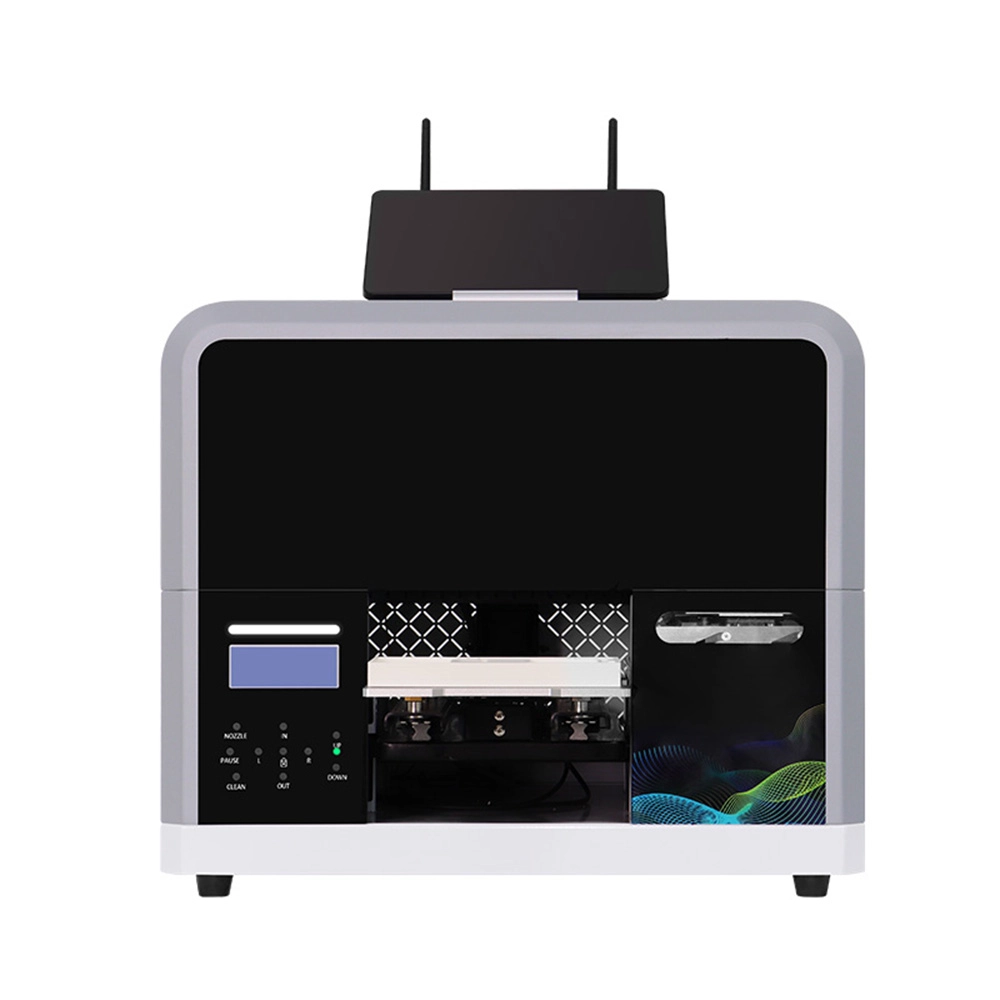
small office document printer Display
FAQ
What should I consider when choosing a small office document printer?
Start with the intended workload, document types, available space, ease of use, maintenance access, connectivity needs, and total cost of ownership. A suitable device should fit the workflow rather than simply offer the lowest purchase price. Buyers should also confirm warranty coverage, service availability, and the cost and availability of required consumables.
Is KeMore a conventional office printer manufacturer?
KeMore’s stated business focus is smart self-service retail technology rather than a general range of conventional office printers. Its solutions include phone case printing vending machines, custom phone case vending machines, screen protector application machines, UV printing equipment, and related intelligent retail systems. Buyers seeking standard office document equipment should verify the exact product scope and specifications directly with KeMore before purchasing.
Can compact printing equipment work in a customer-facing commercial location?
It can, provided the equipment is appropriate for the environment and the operating model is clearly defined. Important considerations include user guidance, physical protection, replenishment access, power availability, expected traffic, cleaning, maintenance, and staff support. In customer-facing settings, the equipment should also contribute to a simple and engaging experience rather than create an additional service barrier.
What support should I request before deploying smart vending equipment?
Ask about site assessment, configuration, branding or customization options, software integration, installation, operator training, spare parts, troubleshooting, warranty terms, and response procedures. It is also useful to clarify responsibilities for replenishment, cleaning, payment systems, content updates, and performance monitoring. These details help turn a machine purchase into a manageable operating program.
Where are KeMore’s smart retail solutions used?
KeMore states that its products have entered more than 100 global markets and are used in shopping malls, retail stores, campuses, tourist attractions, airports, and other high-traffic commercial locations. The most suitable placement depends on the target audience, foot traffic, available space, local operating requirements, and the specific solution selected.

Guangzhou Kexiaozhan Technology Co., Ltd.
we respond within a few hours
Monday–Friday, 9AM–6PM
+86 189 2573 7135
 No. 28 Xinhuan Village Road, Xinshuikeng Village, Dalong Street, Panyu District, Guangzhou City
Quick Links
Facebook
Instagram
LinkedIn
YouTube
Tik Tok