



Multi-Material UV Flatbed Printer Solutions for Smart Custom Retail

KeMore combines UV printing expertise with smart retail innovation to help businesses turn personalization into a practical commercial opportunity. Designed for operators who want to produce customized items closer to the point of sale, this category supports the growing demand for fast, visually engaging products in shopping malls, campuses, tourist attractions, airports, retail stores, and other high-traffic locations. The focus is not simply on printing equipment; it is on creating a smoother path from customer choice to finished product.
Build More Flexible Customization Experiences
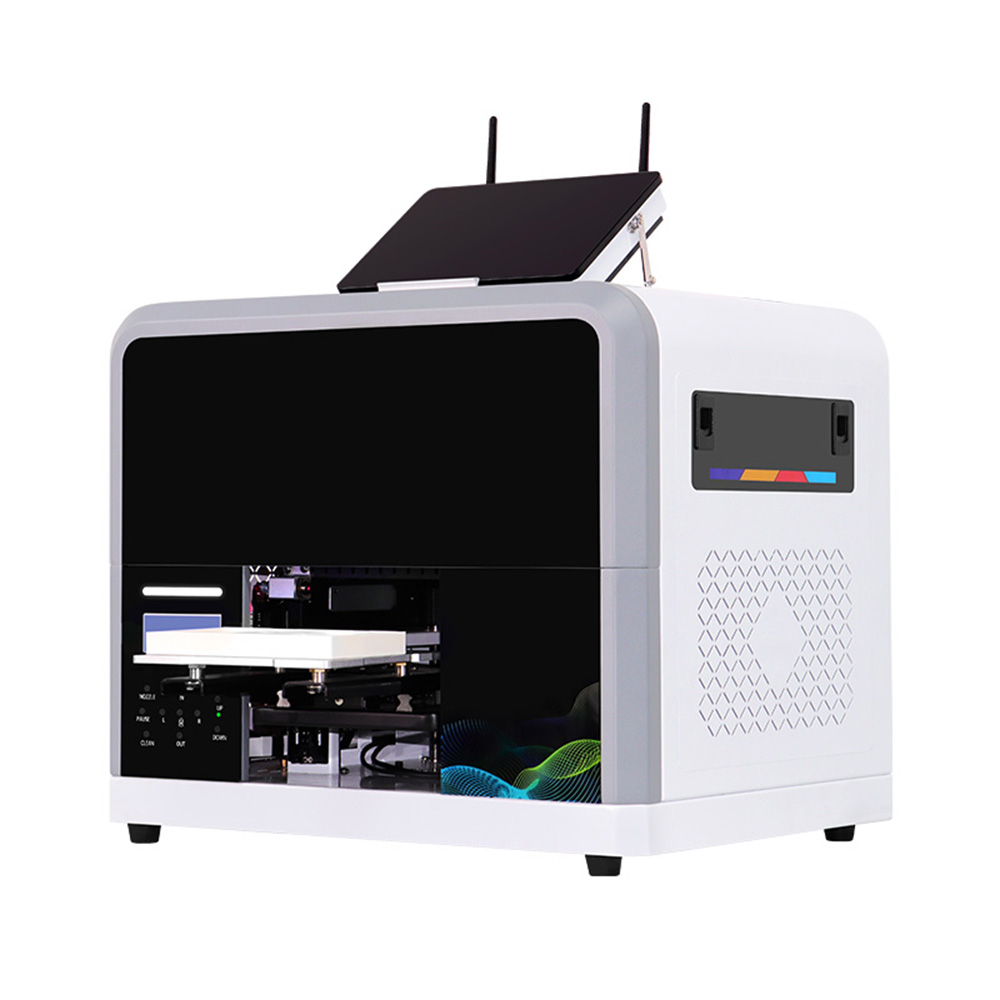
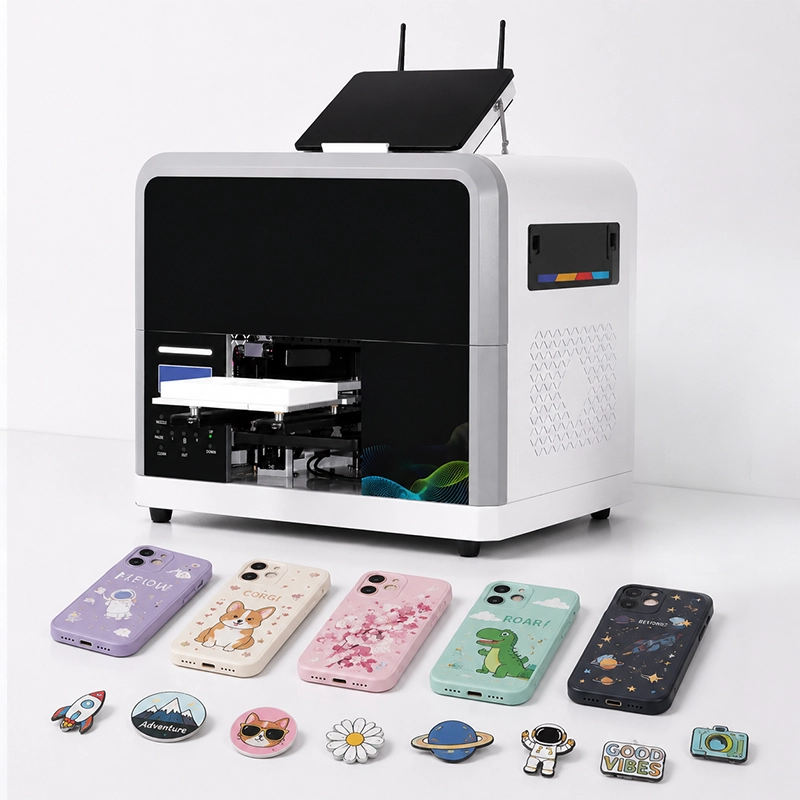
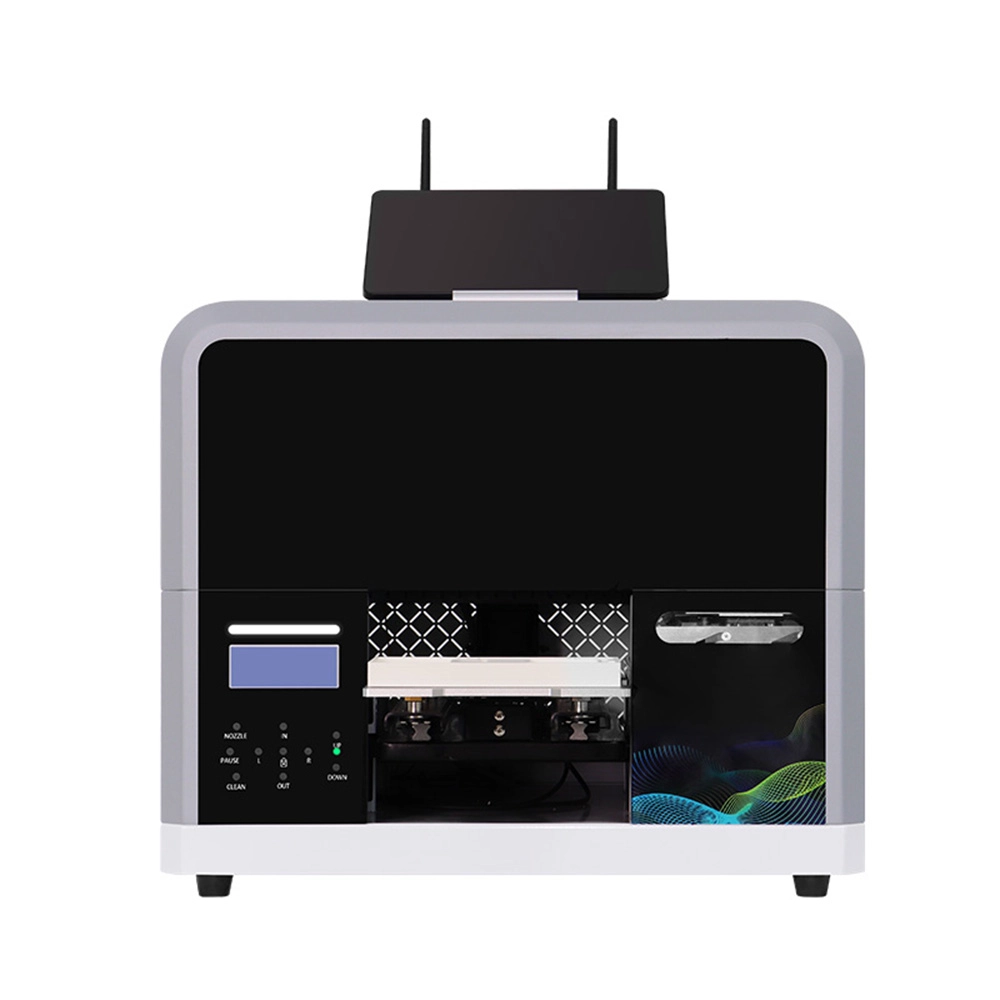
A multi-material UV flatbed printer can be a valuable part of a modern customization workflow because it is intended for direct printing on compatible flat materials rather than relying solely on traditional labels or transfers. This creates opportunities to personalize phone accessories, promotional items, decorative products, retail displays, and other suitable merchandise. For businesses connected to the vending machine industry, that flexibility can make a self-service offer feel more relevant, immediate, and memorable.
Customers increasingly expect products that reflect their identity, interests, events, or location. An on-demand UV printing solution helps businesses respond to that expectation without depending entirely on pre-printed inventory. Designs can be updated for seasonal campaigns, local partnerships, tourist destinations, school communities, or brand promotions. The result is a retail experience that can remain fresh while supporting a broader range of customer preferences.
- Support for personalized product concepts across compatible flat surfaces
- More responsive merchandising for seasonal and location-based campaigns
- Opportunities to connect digital design selection with physical product creation
- A practical foundation for self-service and assisted customization models
Designed for Commercial Retail and Vending Applications
In commercial environments, equipment must contribute to a dependable customer journey as well as produce attractive output. KeMore approaches UV printing as part of a complete smart retail system, combining hardware development, software integration, machine manufacturing, and operational experience. This broader perspective helps businesses consider the full deployment process, including product selection, user interaction, machine placement, production workflow, and after-sales support.
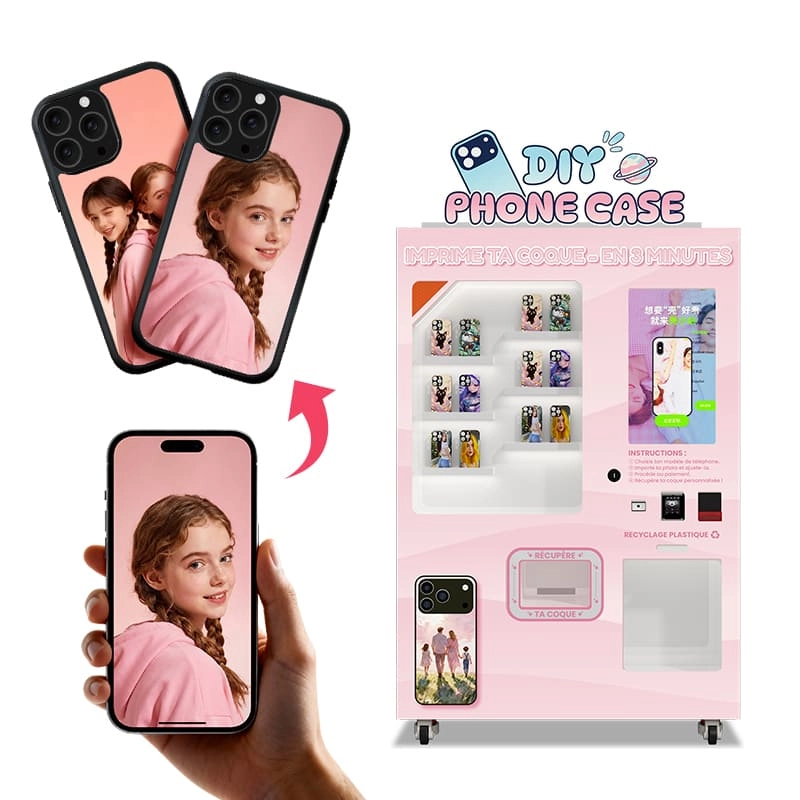
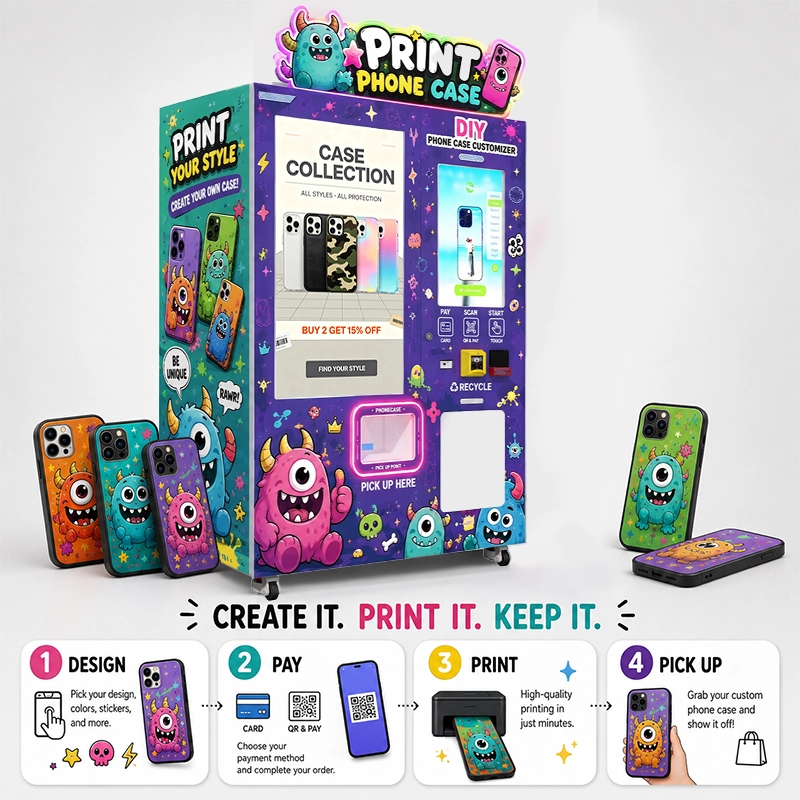
For vending operators, the appeal lies in bringing customization closer to customers. A strategically placed printing solution can help transform waiting areas and underused retail space into interactive sales points. It may also support new revenue models, such as personalized phone case services, branded merchandise, event products, or location-specific souvenirs. The most effective setup depends on the intended materials, product formats, customer volume, available space, and level of automation required.
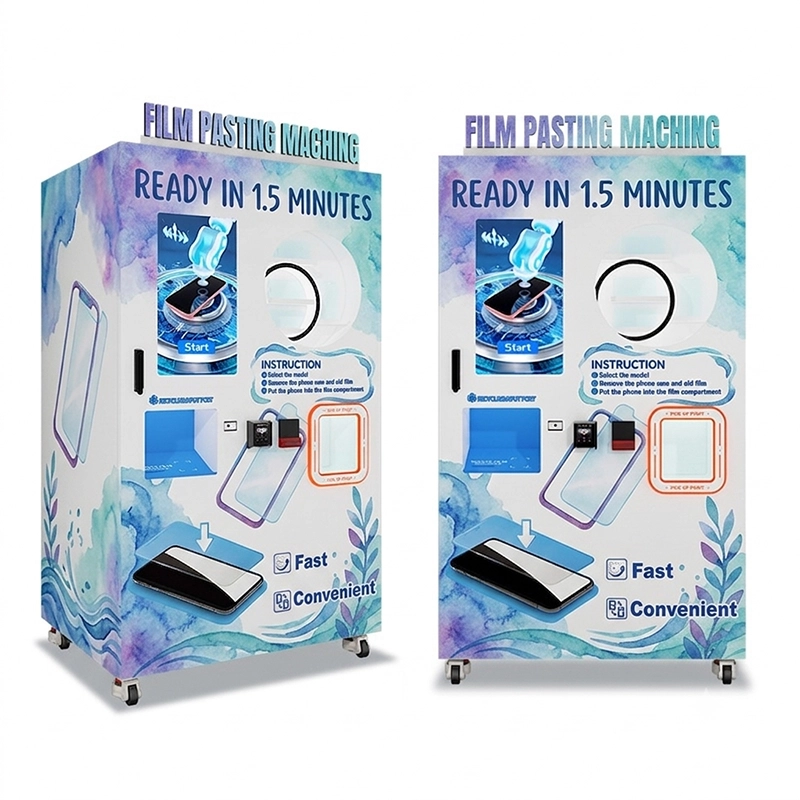
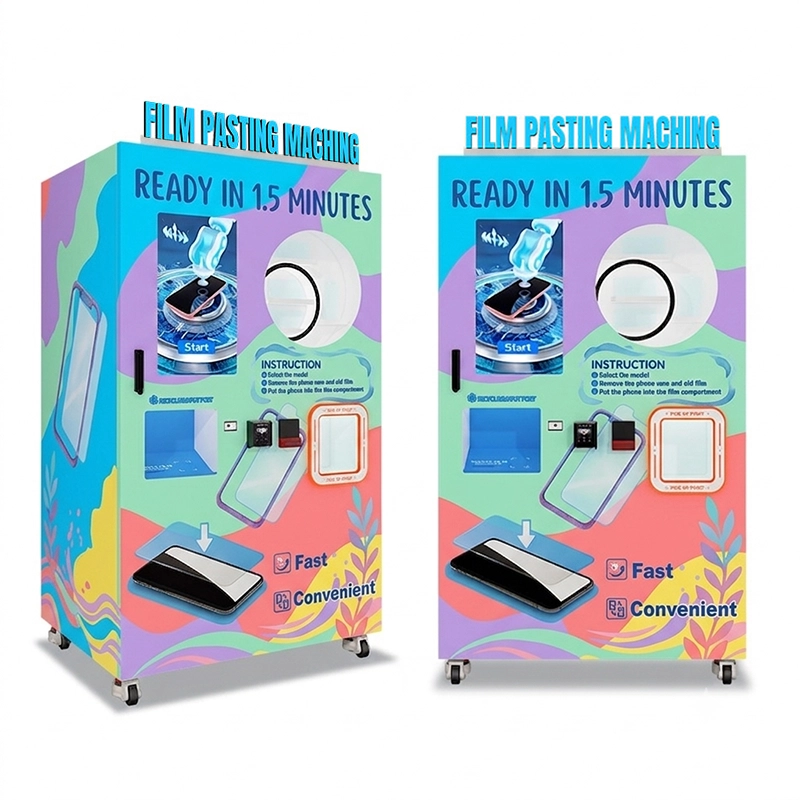
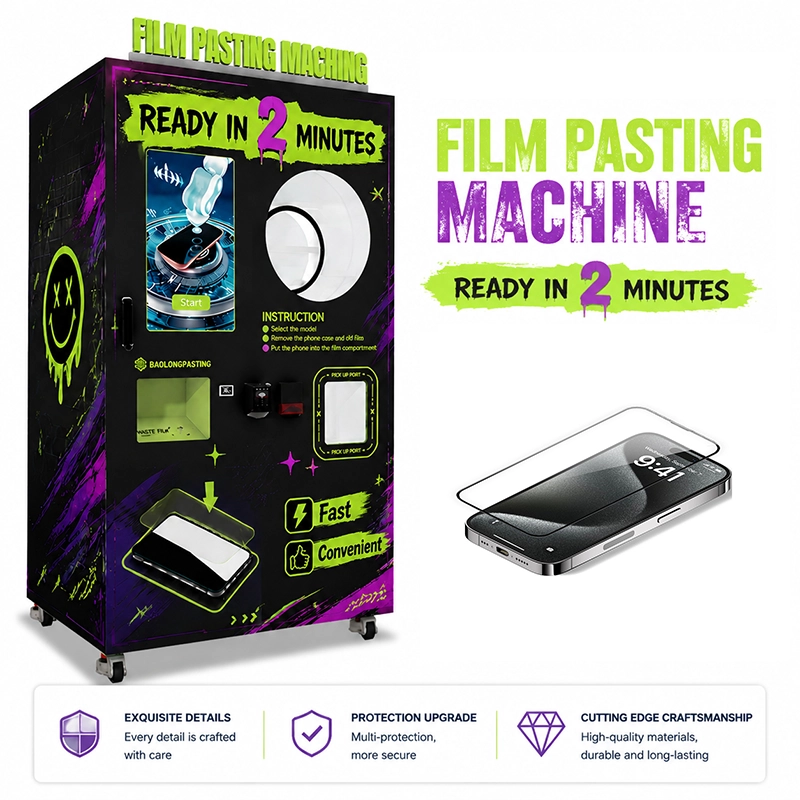
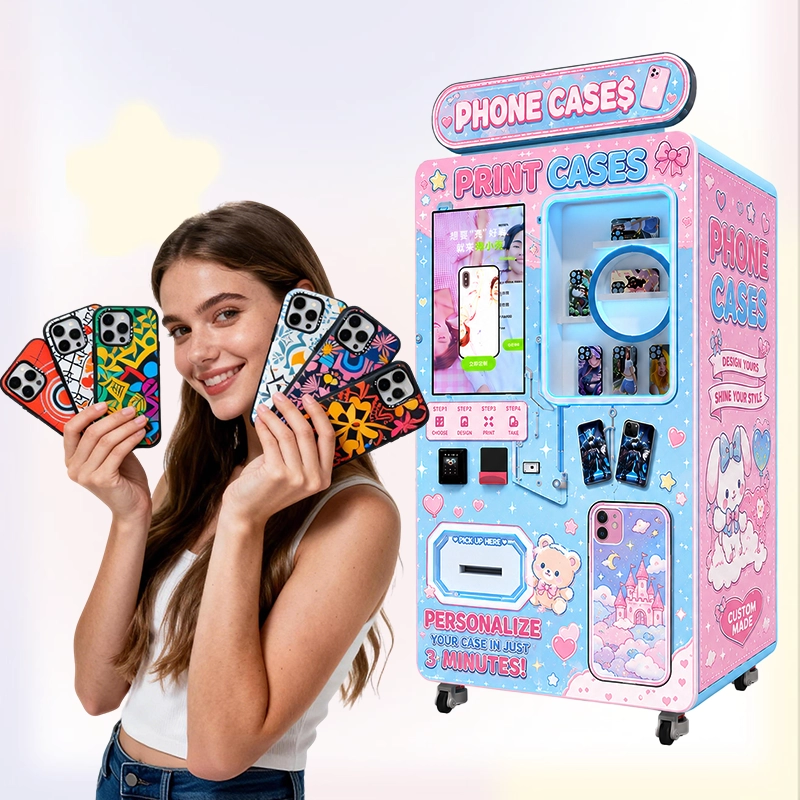
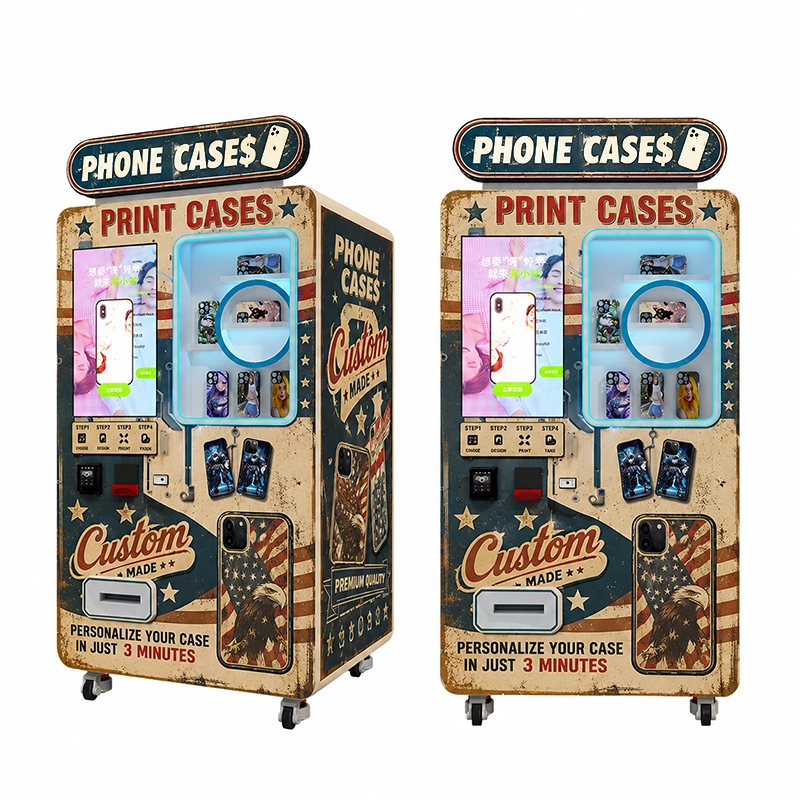
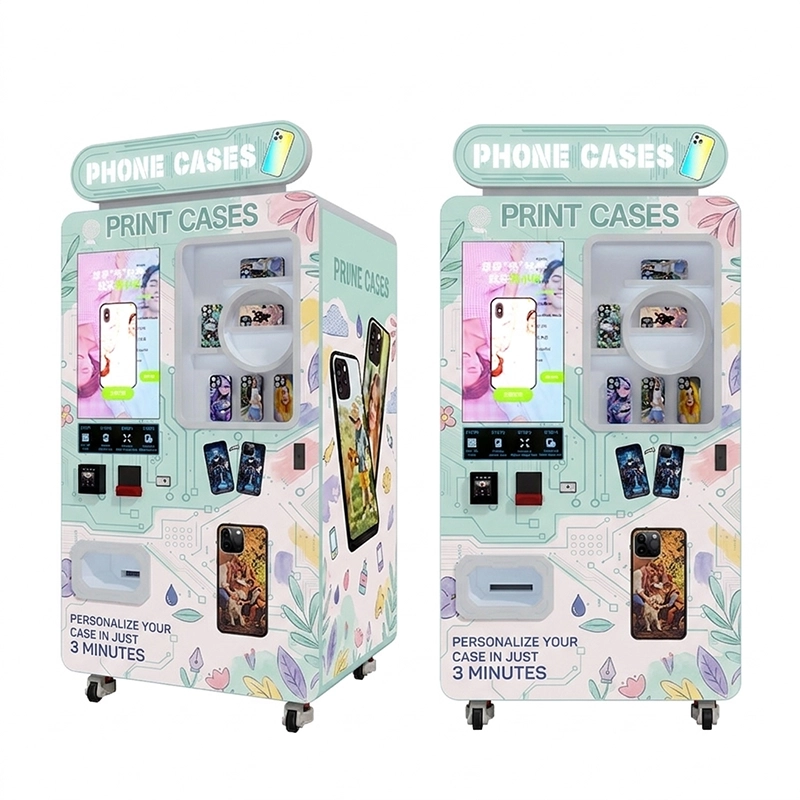
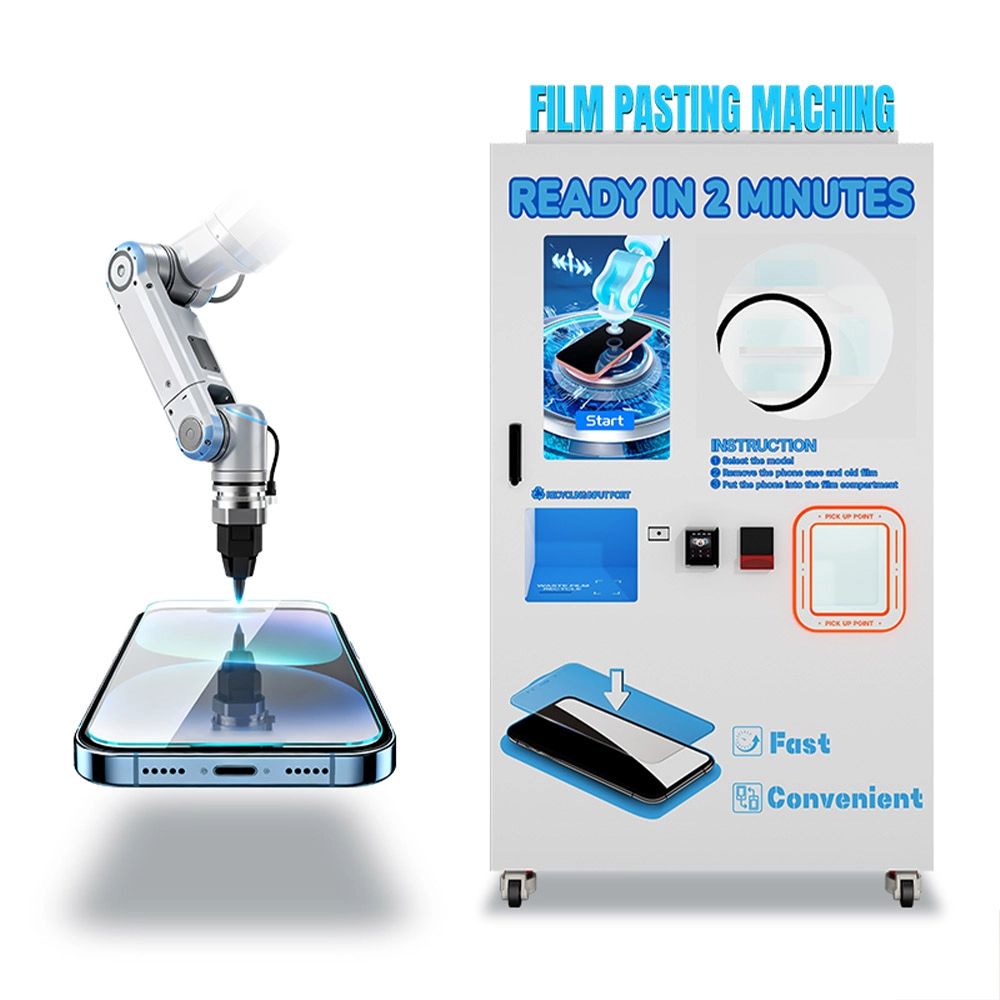
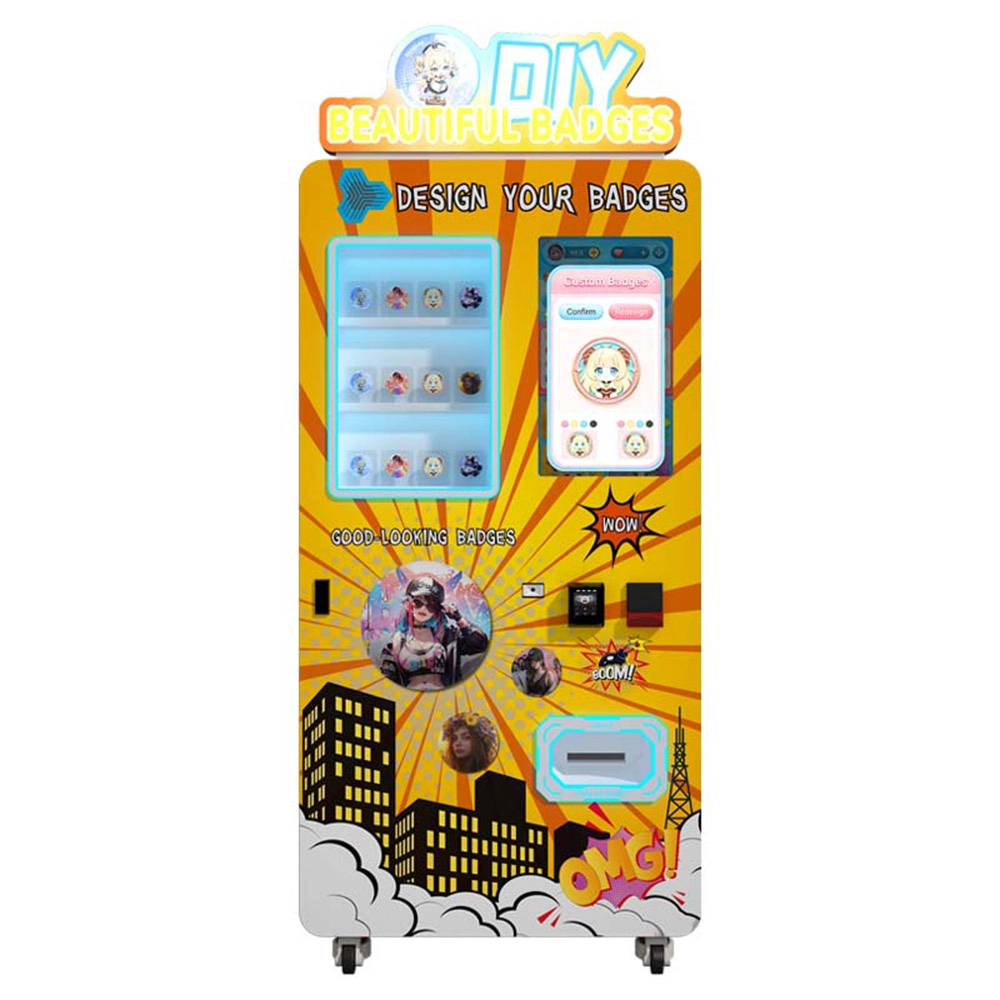
KeMore’s product ecosystem includes phone case printing vending machines, custom phone case vending machines, screen protector application machines, UV printing equipment, and related intelligent self-service retail systems. This allows buyers to explore equipment as part of a wider commercial concept instead of treating the printer as an isolated purchase. Businesses can plan a solution around their audience, site conditions, and desired service model.
KeMore Support from Concept to Deployment
Founded in 2022 and operated by Guangzhou Kexiaozhan Technology Co., Ltd., KeMore was established with a clear mission: to upgrade mobile phone case customization retail through smart self-service technology. Its team of more than 120 professionals works across research and development, manufacturing, quality control, customization, and after-sales service. A 17,000-square-meter production workshop provides a foundation for coordinated product development and commercial delivery.
KeMore products have entered more than 100 global markets, serving a variety of high-traffic environments. This international experience is relevant for buyers evaluating a UV flatbed printing solution because successful deployment involves more than equipment selection. It requires attention to local customer behavior, retail presentation, maintenance planning, product compatibility, and operational consistency.
KeMore believes smart retail should reduce unnecessary labor while creating a more engaging customer experience. Its field innovation and business verticalization approach supports solutions shaped around real commercial needs. Before choosing equipment, buyers should confirm the materials they plan to print, the desired product dimensions, expected usage levels, design workflow, installation conditions, and available service support. These considerations help align the printing solution with measurable business goals rather than short-term novelty.
Frequently Asked Questions
What is a multi-material UV flatbed printer used for?
It is used to print customized graphics directly onto compatible flat materials and products. Potential applications include phone accessories, promotional merchandise, decorative items, retail displays, and location-specific products. The exact use cases depend on the approved material range, surface condition, product dimensions, and operating workflow.
Is this type of printer suitable for vending machine businesses?
It can support vending and self-service retail concepts when the printer, product format, customer interface, and operating process are planned as one system. Businesses should evaluate site traffic, available space, production expectations, material compatibility, and the level of staff support required before deployment.
What materials can a UV flatbed printer handle?
Material compatibility varies by equipment configuration and product design. Buyers should request confirmation for the specific substrates they intend to use, including surface characteristics, thickness, dimensions, coating requirements, and any preparation needed for reliable adhesion and image quality.
How can UV printing improve a personalized retail offer?
UV printing can help businesses create products closer to the point of purchase, update designs more easily, and respond to seasonal, local, or customer-selected themes. This can reduce dependence on one fixed inventory mix while making the retail experience more interactive and distinctive.
What should buyers consider before choosing UV printing equipment?
Important considerations include intended applications, compatible materials, product size, expected demand, workflow integration, installation environment, maintenance requirements, customization needs, and after-sales support. A supplier with experience in smart retail deployment can help connect these technical and operational factors to a viable business model.
multi-material uv flatbed printer Display
FAQ
What is a multi-material UV flatbed printer used for?
It is used to print customized graphics directly onto compatible flat materials and products. Potential applications include phone accessories, promotional merchandise, decorative items, retail displays, and location-specific products. The exact use cases depend on the approved material range, surface condition, product dimensions, and operating workflow.
Is this type of printer suitable for vending machine businesses?
It can support vending and self-service retail concepts when the printer, product format, customer interface, and operating process are planned as one system. Businesses should evaluate site traffic, available space, production expectations, material compatibility, and the level of staff support required before deployment.
What materials can a UV flatbed printer handle?
Material compatibility varies by equipment configuration and product design. Buyers should request confirmation for the specific substrates they intend to use, including surface characteristics, thickness, dimensions, coating requirements, and any preparation needed for reliable adhesion and image quality.
How can UV printing improve a personalized retail offer?
UV printing can help businesses create products closer to the point of purchase, update designs more easily, and respond to seasonal, local, or customer-selected themes. This can reduce dependence on one fixed inventory mix while making the retail experience more interactive and distinctive.
What should buyers consider before choosing UV printing equipment?
Important considerations include intended applications, compatible materials, product size, expected demand, workflow integration, installation environment, maintenance requirements, customization needs, and after-sales support. A supplier with experience in smart retail deployment can help connect these technical and operational factors to a viable business model.

Guangzhou Kexiaozhan Technology Co., Ltd.
we respond within a few hours
Monday–Friday, 9AM–6PM
+86 189 2573 7135
 No. 28 Xinhuan Village Road, Xinshuikeng Village, Dalong Street, Panyu District, Guangzhou City
Quick Links
Facebook
Instagram
LinkedIn
YouTube
Tik Tok