



Smart Self-Service Printing Kiosks for Event Retail
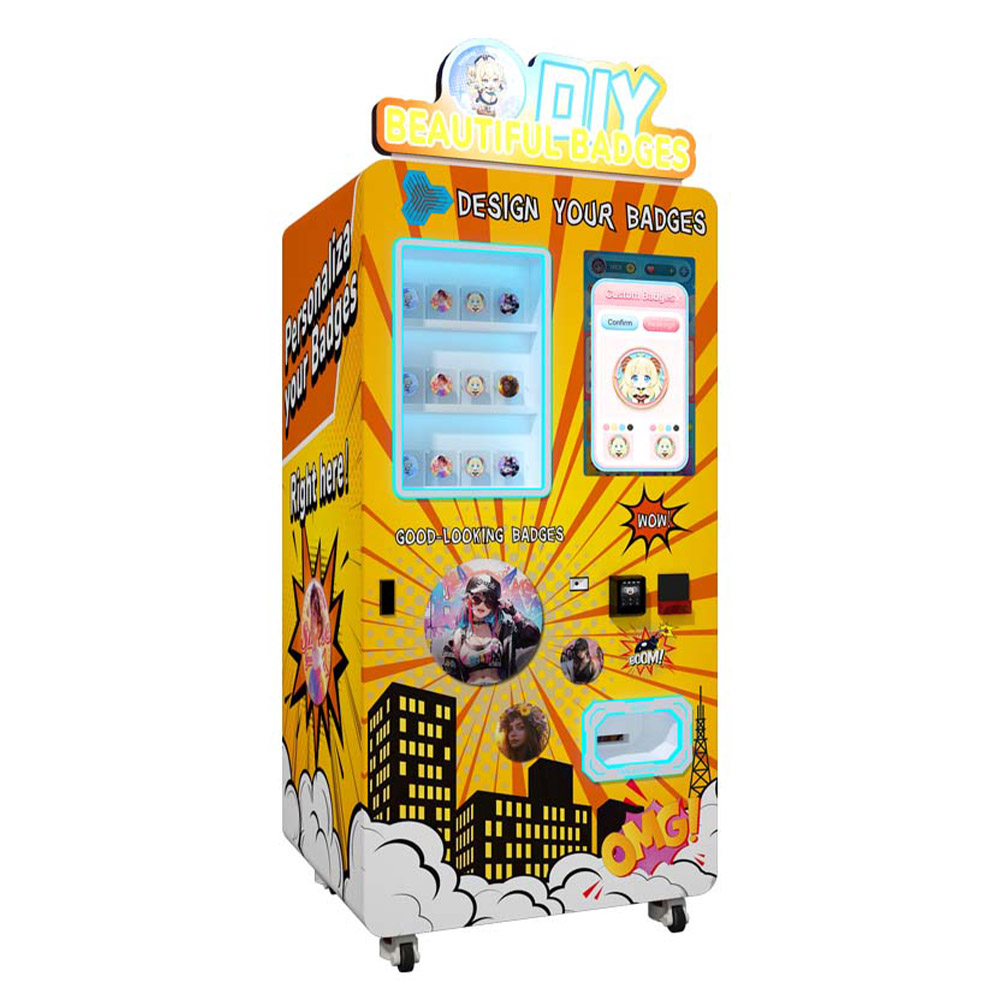
KeMore develops smart self-service retail systems designed to make personalized products easier to sell, manage, and scale. For businesses evaluating an event badge printing kiosk, the most important consideration is not simply the printer itself, but the complete customer journey: intuitive ordering, efficient production, clear collection, dependable operation, and a format that fits naturally into a busy venue. KeMore brings relevant experience from the mobile phone case customization industry, where speed, personalization, compact deployment, and customer engagement are central to commercial success.
Build More Engaging Self-Service Experiences
Self-service printing can transform a routine transaction into an interactive brand moment. At conferences, campuses, attractions, retail environments, and other high-traffic locations, visitors increasingly expect convenient experiences with minimal waiting and straightforward digital interaction. A well-planned kiosk can help businesses reduce dependence on constant staff involvement while giving customers greater control over their selections.
The strongest solutions are designed around practical user behavior. Instructions should be easy to understand, the interface should guide customers from design or data entry to payment and collection, and the physical layout should support smooth movement in crowded environments. For operators, this can mean a more consistent service experience and a clearer path to expanding self-service offerings across multiple locations.
- Convenient customer interaction in high-footfall environments
- A more consistent process than manually handling every request
- Opportunities to combine personalization with retail or promotional activity
- A scalable format for businesses testing new unattended-service models
What Buyers Should Evaluate Before Deployment
Choosing a commercial kiosk requires a broader view than comparing hardware specifications. Buyers should assess the intended venue, daily traffic, available floor space, power and connectivity requirements, maintenance access, payment workflow, and the type of content or product being produced. They should also clarify how the kiosk will be managed after installation, especially when several machines operate in different locations.
Software integration is equally important. A successful self-service terminal should fit the operator’s business process rather than create a disconnected island of equipment. Questions about content management, order records, remote monitoring, consumable replacement, user support, and future customization should be addressed during planning. These details influence uptime, operating cost, customer satisfaction, and the ability to replicate the concept across a wider network.
Because badge-printing requirements vary by event format, visitor volume, credential design, and data workflow, buyers should confirm the exact printing method and integration scope with the supplier. KeMore’s experience combining hardware development, software integration, manufacturing, and market-operation knowledge provides a useful foundation for discussing customized self-service concepts without treating every deployment as identical.
Why Consider KeMore as a Smart Retail Partner
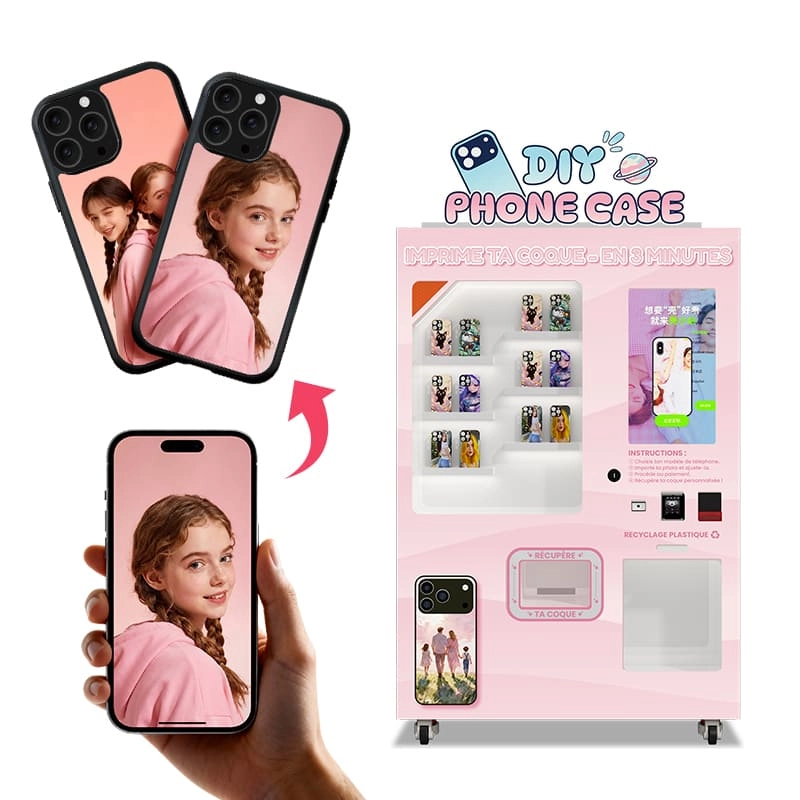
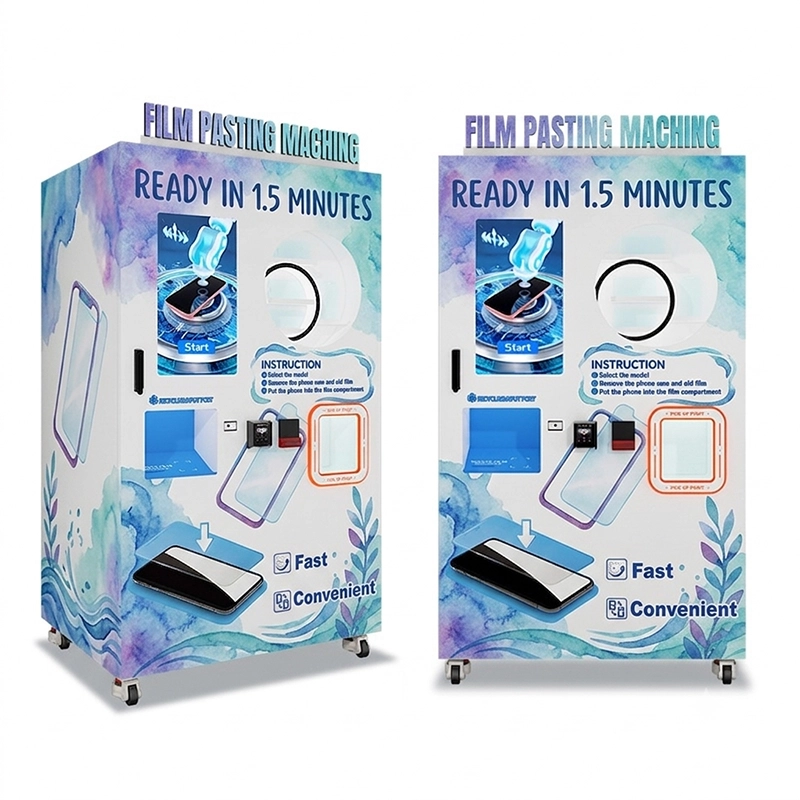
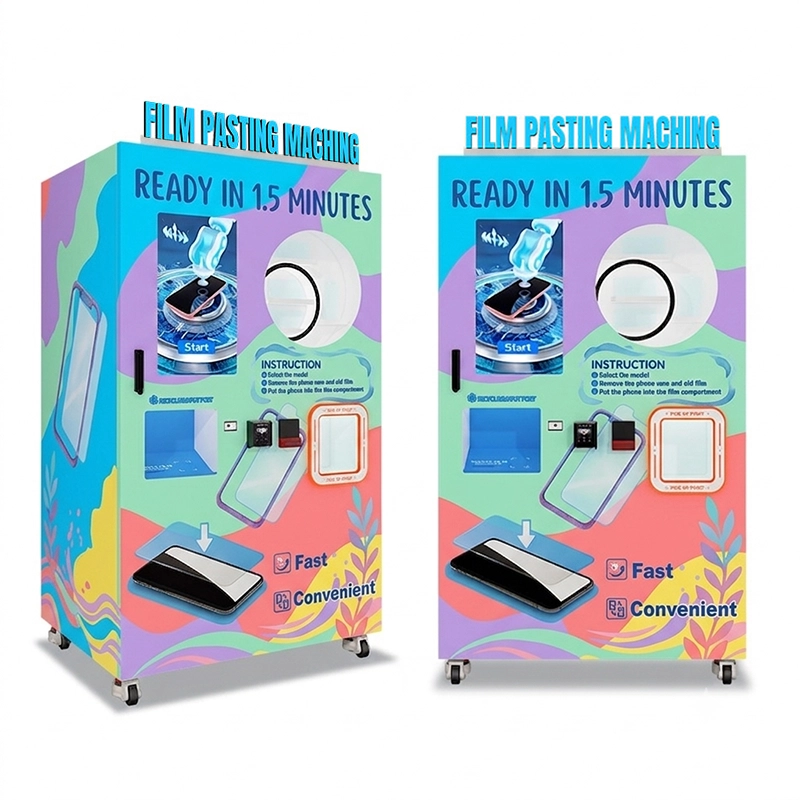
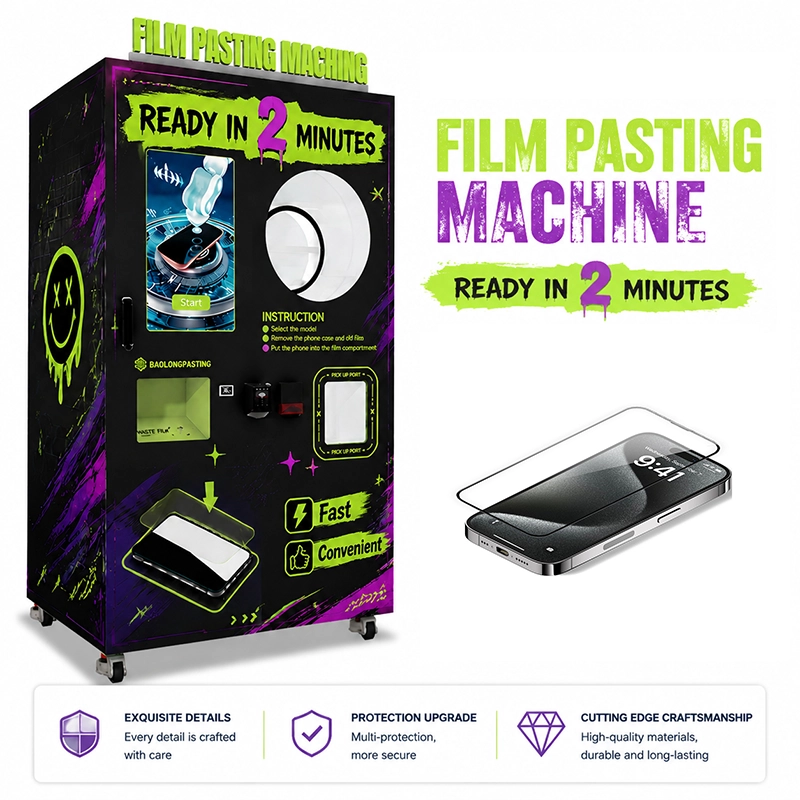
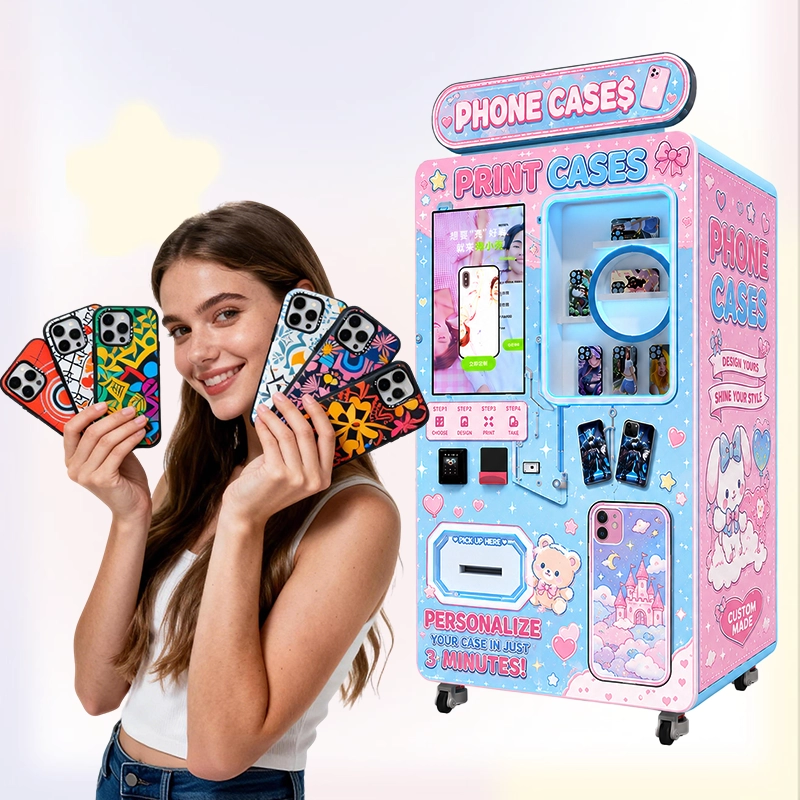
KeMore is operated by Guangzhou Kexiaozhan Technology Co., Ltd. and was founded in 2022 with a mission to modernize mobile phone case customization through intelligent self-service technology. Its portfolio includes phone case printing vending machines, custom phone case vending machines, screen protector application machines, UV printing equipment, and related smart retail systems. This specialization gives the company practical insight into turning personalization technology into an accessible customer-facing retail experience.
KeMore combines research and development, production, quality control, software integration, customization, and after-sales support. Its products have reached more than 100 global markets and are used in shopping malls, retail stores, campuses, tourist attractions, airports, and other busy commercial settings. With a team of more than 120 professionals and a 17,000-square-meter production workshop, KeMore has established substantial capabilities for developing and deploying commercial self-service equipment.
For organizations investigating a new printing or personalization concept, that operational background matters. KeMore’s field-focused approach emphasizes not only the machine, but also deployment practicality, customer engagement, business verticalization, and long-term scalability. Whether the requirement is a standard retail terminal or a customized project that needs further technical validation, a structured consultation can help define the right workflow, equipment configuration, and support model.
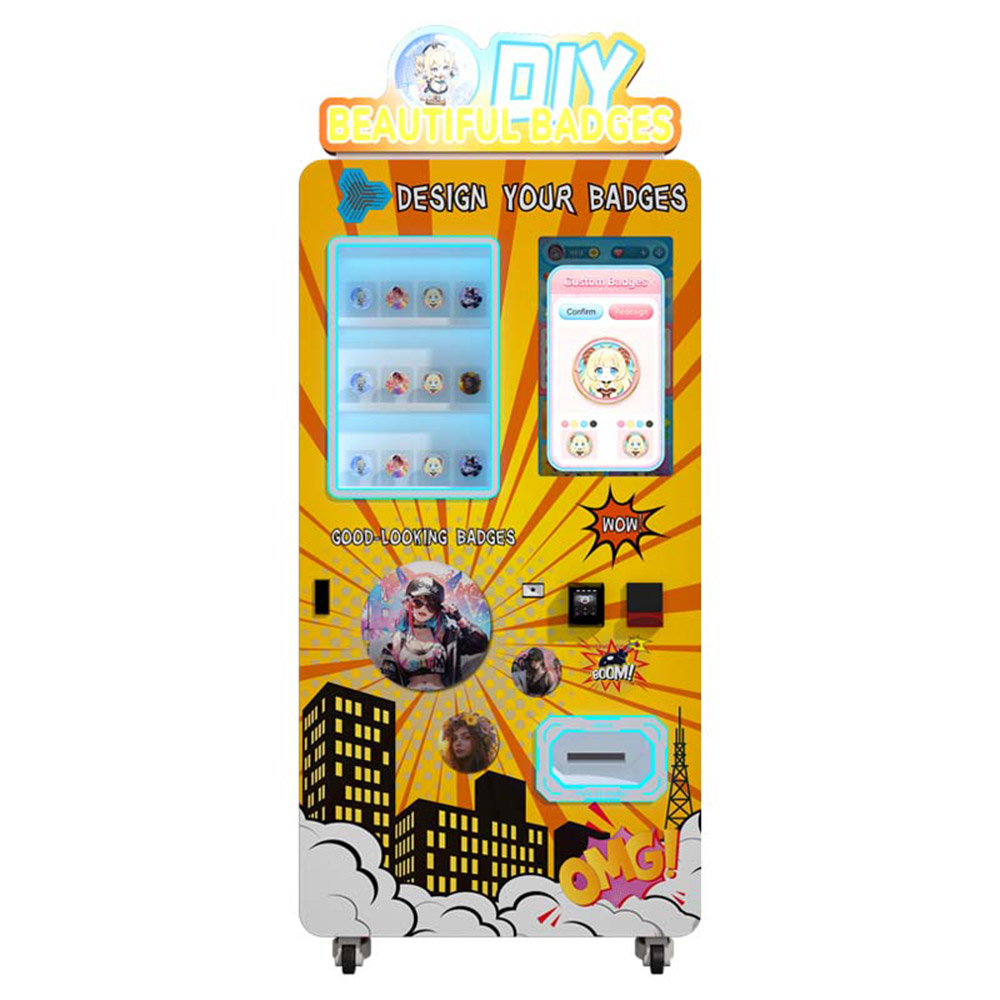
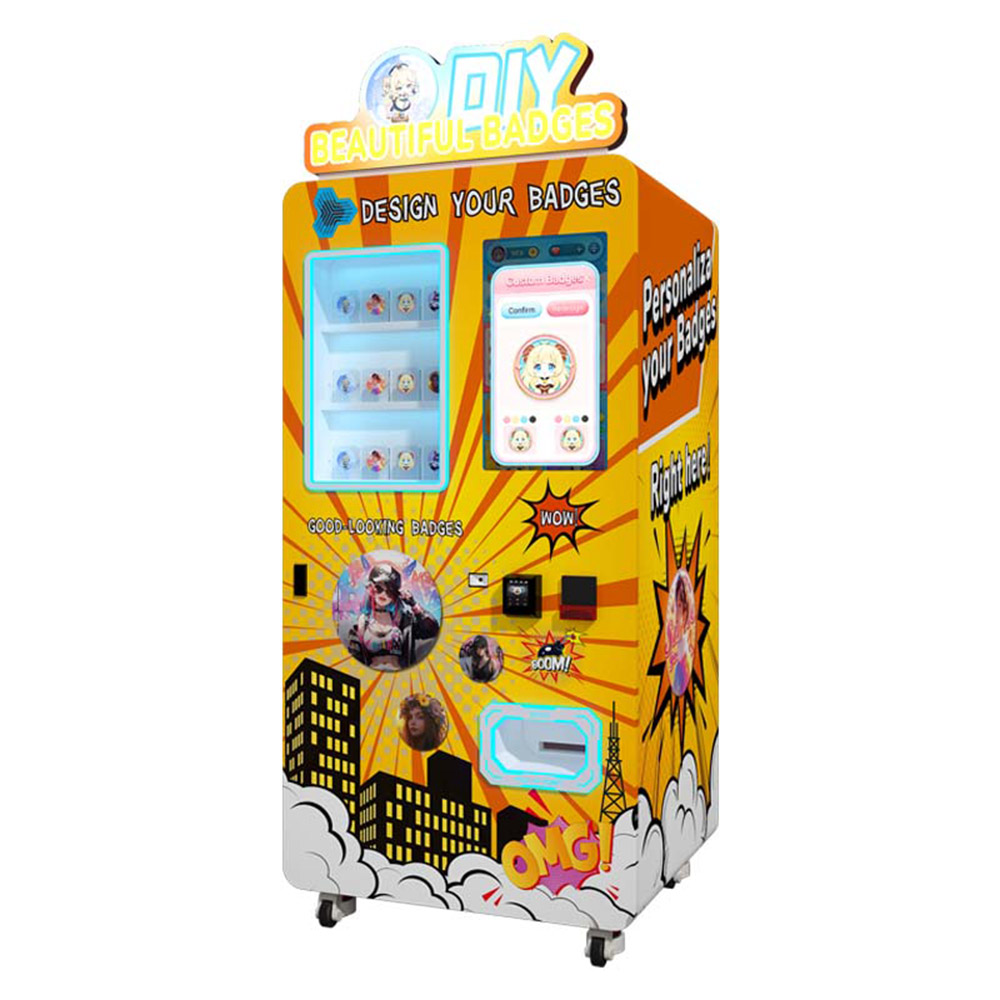
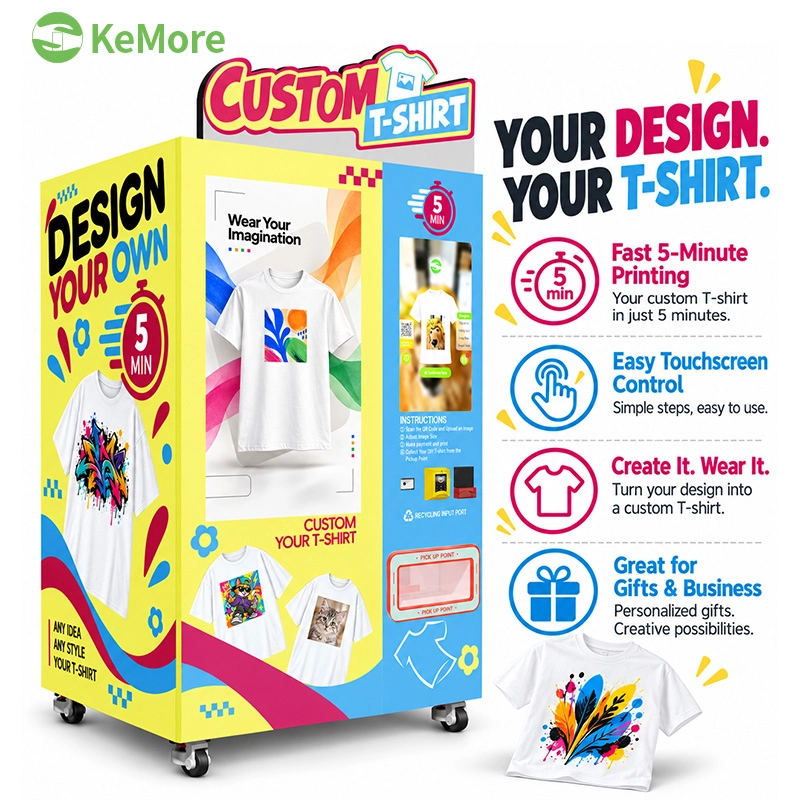
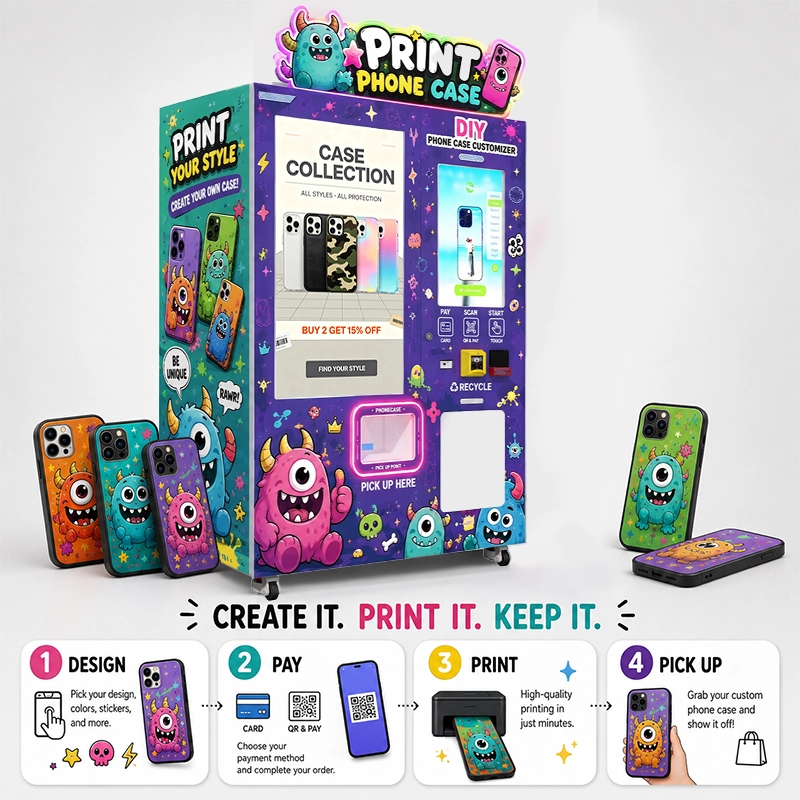
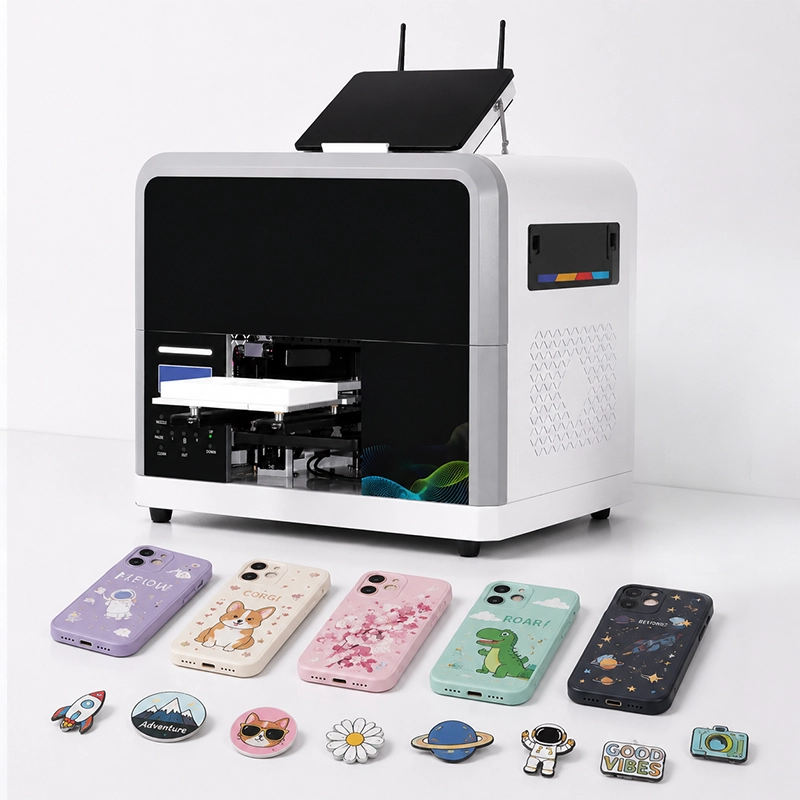
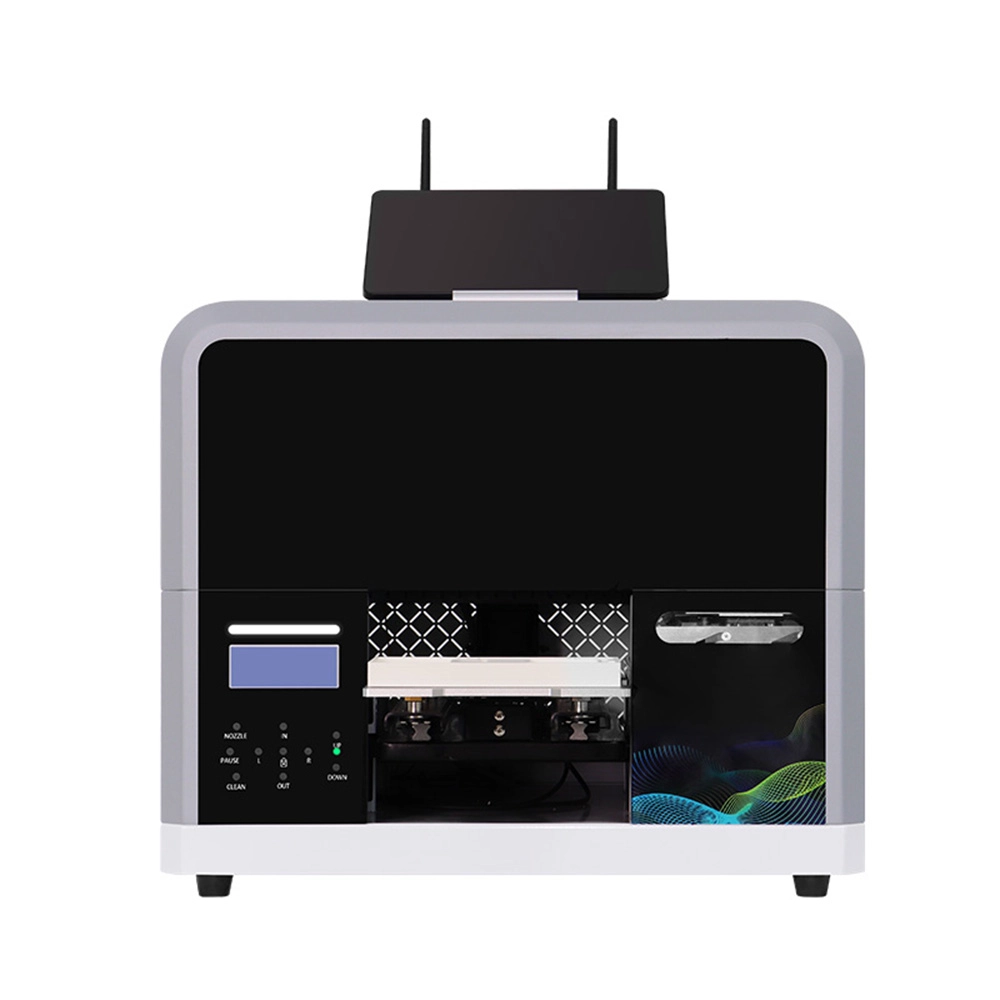
event badge printing kiosk Display
FAQ
What is an event badge printing kiosk?
It is a self-service terminal intended to help visitors enter information, complete a registration or identification workflow, and receive a printed badge with limited staff assistance. The exact functions depend on the printer, software, data connection, payment or registration process, and venue requirements.
Can KeMore provide a badge-printing solution?
KeMore’s supplied company profile focuses on phone case printing vending machines, custom phone case vending machines, screen protector application machines, UV printing equipment, and related smart retail systems. A badge-printing project should therefore be discussed directly with KeMore so the required printer, software integration, workflow, and customization can be confirmed.
Where can a self-service badge or credential printer be used?
Potential environments include conferences, exhibitions, campuses, visitor attractions, retail venues, airports, and other locations where people need a convenient, guided printing experience. Suitability depends on traffic volume, connectivity, space, staffing, security, and the event organizer’s registration process.
What should businesses consider before buying a printing kiosk?
Important considerations include expected daily volume, print format, data and software integration, payment or registration requirements, network access, consumables, maintenance access, physical placement, user guidance, remote management, and after-sales support. Confirming these requirements early helps prevent workflow problems after installation.
How does KeMore support commercial self-service deployments?
KeMore combines hardware development, software integration, machine manufacturing, customization, quality control, and after-sales service. The company reports products in more than 100 global markets, a professional team of over 120 members, and a 17,000-square-meter production workshop, supporting projects from concept development through commercial deployment.

Guangzhou Kexiaozhan Technology Co., Ltd.
we respond within a few hours
Monday–Friday, 9AM–6PM
+86 189 2573 7135
 No. 28 Xinhuan Village Road, Xinshuikeng Village, Dalong Street, Panyu District, Guangzhou City
Quick Links
Facebook
Instagram
LinkedIn
YouTube
Tik Tok