



The supported phone model list determines whether a custom phone case vending machine can actually fulfill the orders customers want to place. At KeMore, we build that list around the target market, physical blank-case supply, interface usability and expected sales concentration. A longer compatibility list is not automatically a better commercial configuration.
Phone Case Vending Machine Model Support Should Follow Real Demand
The first compatibility range normally begins with current iPhone generations, major Samsung Galaxy devices and selected Android models that are relevant in the target country. The exact mix changes by market. A machine in the United States may need stronger iPhone and Pixel coverage, while a Southeast Asian project may need more Xiaomi, OPPO or vivo support. European and Middle Eastern locations can produce different combinations again.
KeMore therefore treats phone model support as a project configuration rather than a universal product specification. The machine hardware, interface menu and blank-case package are aligned to the phones customers are most likely to carry.
iPhone Models Form the Core in Many Markets
iPhone accessory demand often remains active across several generations at the same time. The newest generation attracts upgrade demand, while recent mainstream generations usually create a steadier stream of replacement and personalization purchases. Older devices can still deserve coverage when the installed base remains strong.
We separate standard, Plus, Pro and Pro Max variants because the physical case dimensions and camera openings can differ. Each supported variant needs a validated blank, clear naming in the interface and the correct print positioning. This prevents a customer from ordering the right design for the wrong case body.
Samsung Coverage Should Be Planned by Series
Samsung is not one accessory category. Galaxy S, Galaxy Z and Galaxy A devices serve different price segments and can have very different ownership patterns. Recent Galaxy S models often deserve strong coverage in many markets. Galaxy A can be extremely important where mid-range Samsung phones dominate. Foldable Galaxy Z devices usually need more selective treatment because the case structure is more specialized.
KeMore avoids assigning equal depth to every Samsung model. The series that produces the most relevant local demand receives the strongest availability, while secondary devices remain controlled until real orders justify more stock.
Android Brands Need Country-Level Selection
Google Pixel, Xiaomi, Redmi, OPPO, vivo, Huawei, Honor, Motorola and OnePlus can all be commercially relevant, but not in the same places. The correct Android range depends on the destination market and venue. Supporting an obscure model in one country can consume cabinet space without producing orders, while excluding a locally dominant brand can create avoidable lost sales.
This is why KeMore’s Samsung and Android inventory planning uses regional demand to determine both the active model list and the quantity of each blank case.
| Phone family | Typical launch priority | What KeMore validates |
|---|---|---|
| Current iPhone | High | Generation, size, camera opening, blank supply and print position |
| Recent iPhone | High to medium | Installed-base demand and refill turnover |
| Samsung Galaxy S | High in many markets | Series demand and local ownership |
| Samsung Galaxy A / Z | Selective | Regional demand, case construction and physical storage value |
| Pixel / Xiaomi / OPPO / vivo / other Android | Market dependent | Country-level device share and validated blank-case supply |
Compatibility Requires a Physical Blank, Not Only a Software Entry
A model should only become selectable when the project has a compatible physical case. KeMore validates dimensions, button positions, camera openings and the printing area before that model enters the customer menu. This is especially important for devices with several regional versions or closely named variants.
The same naming convention should be used in the software, storage labels and replenishment records. Consistent naming reduces service errors and makes it easier for the operator to replenish the correct blank.
The Customer Interface Should Make Model Selection Easy
A long alphabetical list can create friction. KeMore organizes the phone menu by brand, series and model so customers can narrow the selection quickly. Clear visual confirmation before payment reduces wrong-case orders and the need for refunds or reprints.
Where needed, the interface can support multiple languages and project-specific ordering logic. The goal is to make the device choice understandable even for a customer who does not know the exact technical model code.
How Many Models Should a New Machine Launch With?
KeMore does not use one fixed number because different machine configurations and markets require different coverage. A focused pilot may begin with a compact range of high-confidence devices. A mature retail location can support a broader list if sales data and replenishment capacity justify the additional SKUs.
The important distinction is not the total number of models but how they are distributed. Core devices need enough stock to survive the normal refill interval. Secondary devices need enough quantity to capture meaningful demand. Long-tail models should remain small until they prove they deserve more space.
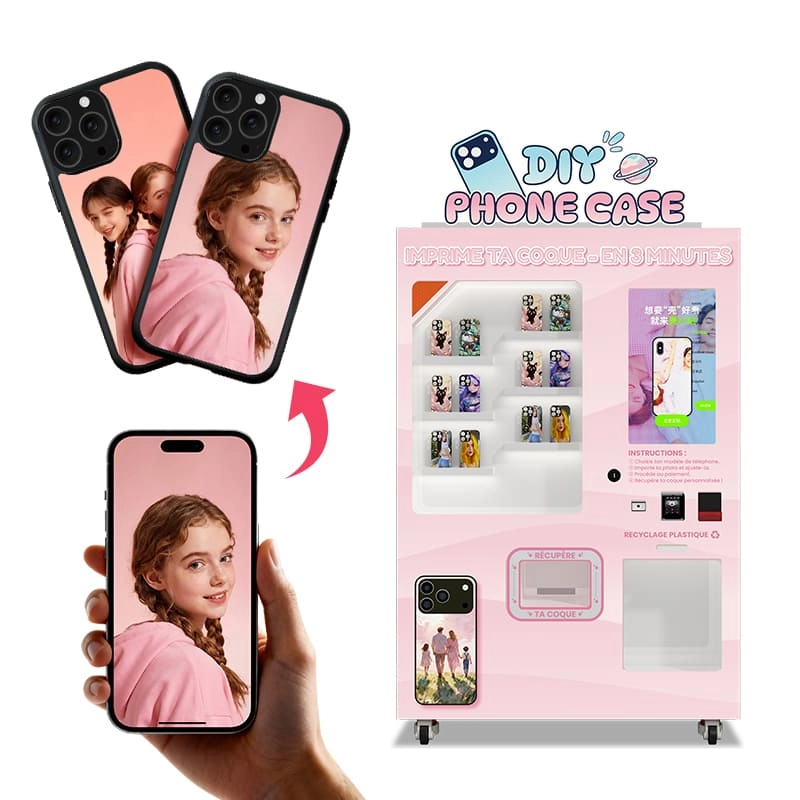
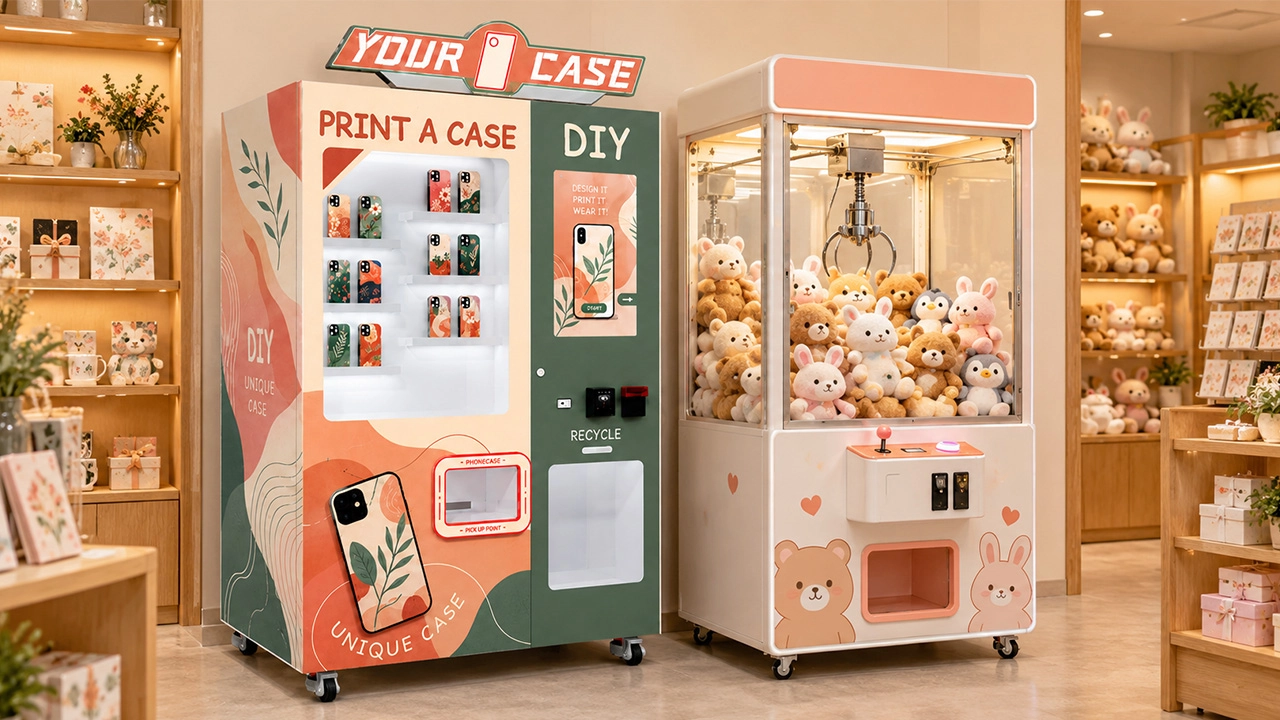
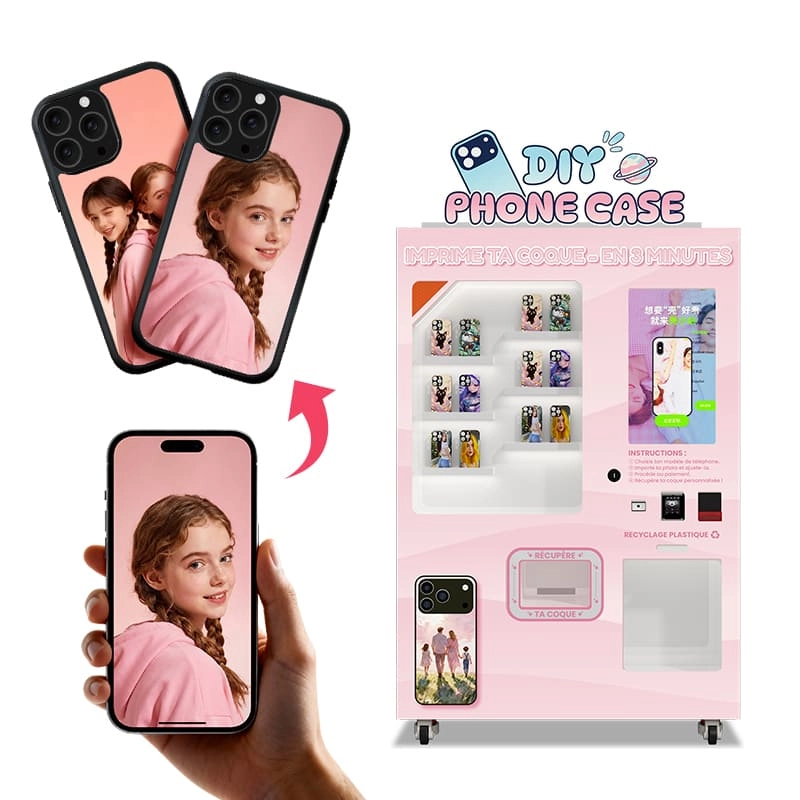
KeMore Multi-Model Phone Case Vending Machine
We configure the phone model menu, blank-case assortment, payment system, interface language and cabinet branding around the intended market. Model support is planned before deployment so the machine launches with a compatibility range the operator can actually replenish.
KeMore Custom Phone Case Vending MachineLocation Changes the Recommended Model Range
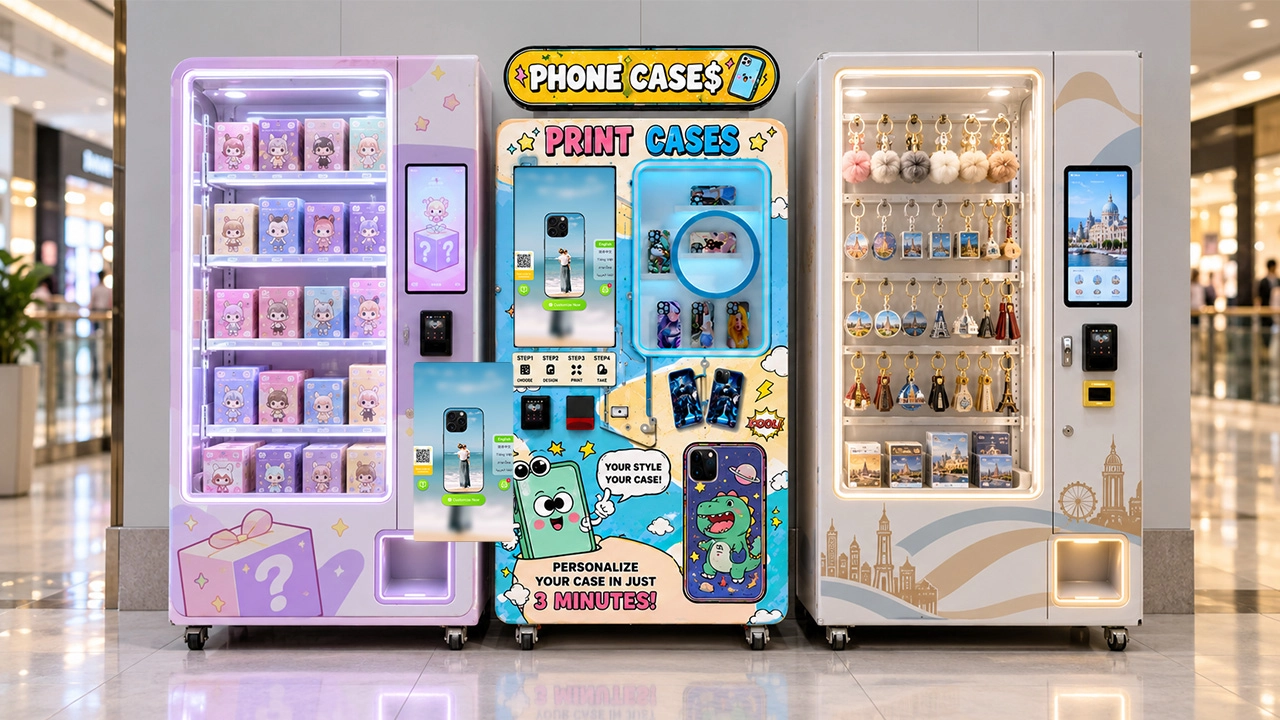
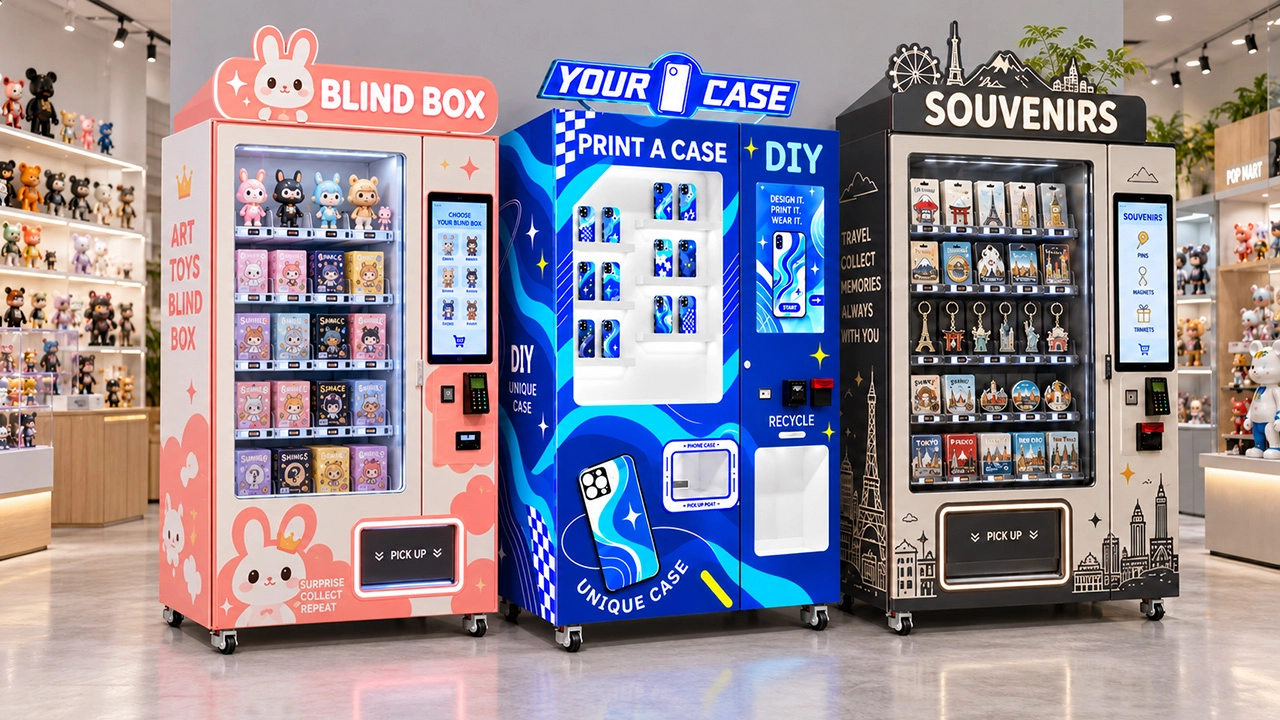
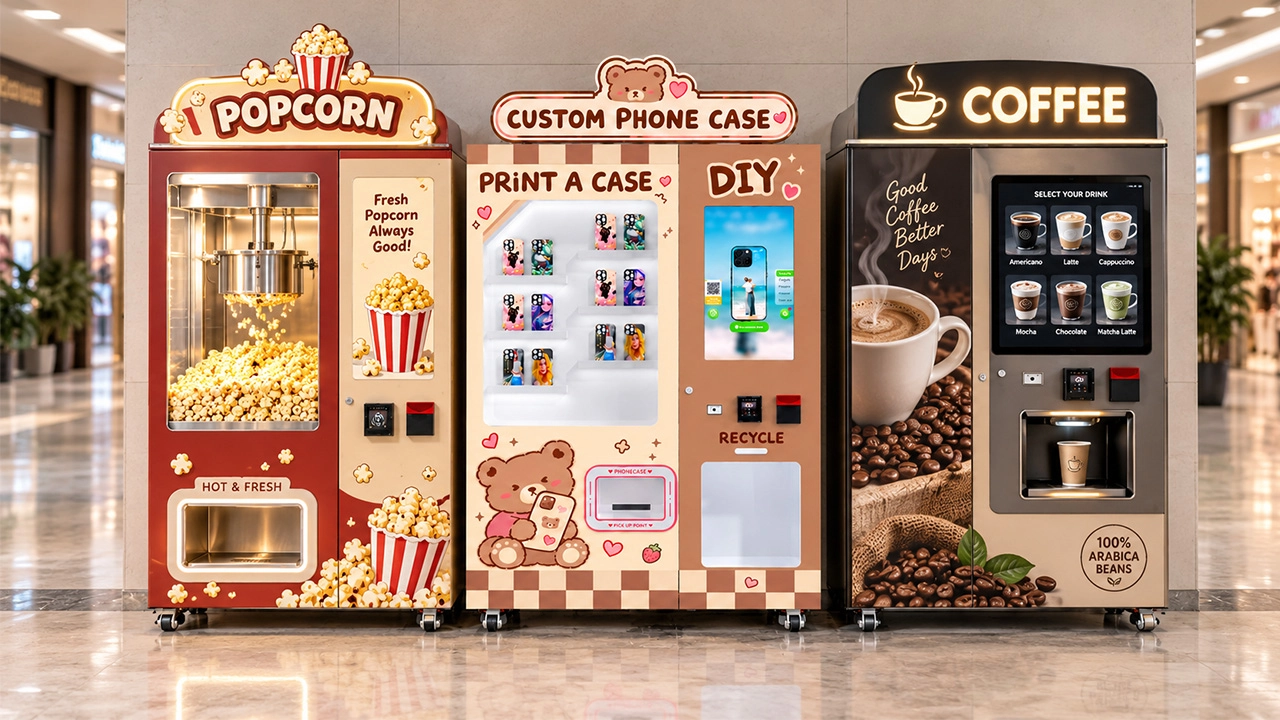
A campus may concentrate around newer mainstream phones because the user base is younger and more consistent. Airports can require wider international coverage. Tourist attractions may need strong iPhone and Samsung availability with selected regional Android support. Phone accessory stores can justify a broader list because customers enter with a stronger product need.
These differences are reflected in KeMore’s application scenarios for phone case vending machines, where location, customer flow, dwell time and service access all influence the recommended model configuration.
New Phone Releases Need a Controlled Update Process
When a new smartphone generation appears, KeMore confirms compatible blanks and print positioning before adding it to the machine. The new model then receives an initial stock allocation based on expected demand. Older models are reduced gradually rather than removed automatically.
This approach protects the machine from two opposite risks: missing new-model demand and discarding older-device demand too quickly. Real sell-through should determine how fast the assortment shifts.
Supported Models and Inventory Depth Must Be Planned Together
A machine can technically support many phones, but physical inventory determines how many orders it can actually fulfill. The model list therefore needs to connect directly to blank-case stock. High-demand devices receive deeper quantities, while low-confidence models remain smaller.
KeMore’s phone case vending machine inventory planning combines this compatibility decision with refill frequency, machine capacity and location-specific sales expectations.
Information KeMore Uses to Build the First Model List
- Target country and city
- Planned venue type
- Expected customer profile
- Priority phone brands
- Available blank-case materials and finishes
- Machine storage capacity
- Expected refill frequency
- Launch timing relative to major smartphone releases
With these inputs, we can build a first model range that is broad enough for the market while remaining practical to stock and maintain.
FAQ
Which phone models can a KeMore phone case vending machine support?
The system can be configured around major iPhone, Samsung Galaxy and selected Android models. The exact list depends on the target market and available compatible blanks.
Should a machine support every smartphone model?
No. KeMore gives priority to devices with meaningful local demand and adds secondary models when their expected sales justify physical stock.
How are new phone models added?
New devices are added after compatible blanks, print positioning, interface naming and replenishment supply have been validated.
Can different locations use different model lists?
Yes. A mall, airport, campus and tourist venue can use different supported-model configurations even when the machine hardware is similar.


 No. 28 Xinhuan Village Road, Xinshuikeng Village, Dalong Street, Panyu District, Guangzhou City
Facebook
Instagram
LinkedIn
YouTube
Tik Tok