



What Training Does an Operator Need to Run a DIY Phone Case Vending Machine?
Quick Answer
Training should cover order fulfillment, print workflow, routine cleaning, consumable control, payment troubleshooting, software connectivity, and basic electrical safety. A diy phone case vending machine operator also needs to understand quality checks and escalation procedures. KeMore can support project planning around equipment configuration, software integration, deployment, and after-sales coordination. Final requirements depend on the site, market, machine configuration, testing scope, and operating model.
How KeMore Supports Projects
KeMore, operated by Guangzhou Kexiaozhan Technology Co., Ltd., combines hardware development, software integration, machine manufacturing, customization, and market-operation experience. For a phone-case customization project, this can support discussions about terminal configuration, workflow design, product options, deployment planning, and after-sales coordination.
Before ordering, buyers should confirm supported phone-case formats, printing method, power requirements, network access, payment integration, user interface, maintenance responsibilities, and operator documentation. MOQ, lead time, testing scope, training coverage, and quotation must be confirmed for each project with KeMore rather than assumed from a standard listing.
Discuss Your Phone Case Vending Project Requirements
Share your target market, venue type, expected traffic, available floor space, supported phone models, preferred payment methods, customization workflow, staffing plan, and service expectations. These details allow the parties to discuss suitable equipment options, operator training steps, sample production, installation planning, and testing requirements. Visit www.kemorevending.com or email kxz@kemore.com to discuss your project with KeMore.
Frequently Asked Questions
What training covers daily operation of a DIY phone case vending machine?
A beginner should learn the complete transaction cycle: selecting a compatible case, uploading or choosing artwork, confirming payment, starting production, collecting the finished item, and handling an unsuccessful order. Training should also cover opening and closing checks, replenishment, cleaning, error-code interpretation, customer refunds, and escalation. The most useful format is supervised practice using the actual machine and the exact software version intended for the site. Generic vending instruction is insufficient because print alignment, case loading, curing or drying requirements, and order recovery procedures vary by equipment design.
How should operators calibrate printing and inspect customized phone cases?
Calibration should follow the equipment manual and be performed after installation, software changes, maintenance, or visible print drift. The operator should verify media positioning, artwork orientation, color output, adhesion, surface cleanliness, and any curing or drying stage specified for the system. A finished case should be checked for scratches, smearing, incomplete coverage, misalignment, trapped debris, and compatibility with the selected phone model. Operators should record recurring defects instead of repeatedly adjusting settings without evidence. If the defect persists, preserve a sample, note the settings and batch, and escalate it to the supplier or service contact.
What payment, software, and connectivity failures require operator response?
Operators need a decision tree that separates customer-side problems from machine-side faults. They should know how to verify transaction status, avoid duplicate charges, identify whether an order reached the production queue, and provide the correct refund or escalation path. Network interruptions may affect cloud services, remote monitoring, artwork transfer, or payment confirmation, while a local hardware fault may affect printing independently. Operators should not reset payment equipment or alter protected software settings casually. Training should identify authorized reboot steps, administrator permissions, transaction logs, support contacts, and the evidence required for technical diagnosis.
How do operators manage blanks, inks, and consumable inventory?
Inventory training should cover approved case blanks, inks or other print consumables, cleaning materials, packaging, and spare wear items specified by the machine supplier. Operators should use first-in, first-out control where applicable, protect materials from unsuitable heat, moisture, dust, or light, and inspect packaging before loading. Stock records should distinguish usable inventory from damaged, expired, incompatible, or quarantined items. Replenishment decisions should be based on sales velocity, supplier lead time, minimum operating stock, and seasonal demand rather than a visual guess. Unapproved materials can change print quality, adhesion, machine reliability, or warranty conditions, so substitutions require confirmation.
What safety training is needed for UV printing components?
If the equipment uses UV light, the operator should understand the manufacturer’s exposure controls, shielding, interlocks, warning labels, and maintenance restrictions. Direct or reflected UV exposure can harm eyes and skin, so operators must never bypass protective features or place body parts inside an active curing area. Training should also address electrical isolation before permitted maintenance, safe handling of cleaning agents, ventilation requirements stated by the supplier, spill response, and emergency shutdown. The operator is not a substitute for a qualified technician when internal electrical, optical, or mechanical service is required. Local occupational-safety rules and the machine manual should govern the final procedure.
Which performance records should a new operator review weekly?
A useful weekly review includes completed orders, failed or refunded transactions, print defects, reprints, consumable usage, stockouts, downtime, payment incidents, connectivity interruptions, cleaning activity, and customer complaints. The operator should compare demand by phone model, design category, location, and time period when the software provides those records. These data help identify whether a problem is caused by training, inventory, artwork configuration, equipment condition, or site traffic. Management should define thresholds for escalation, such as repeated alignment failures or recurring payment errors, and retain service notes so technicians can see the history instead of starting with an unverified diagnosis.
You May Also Like
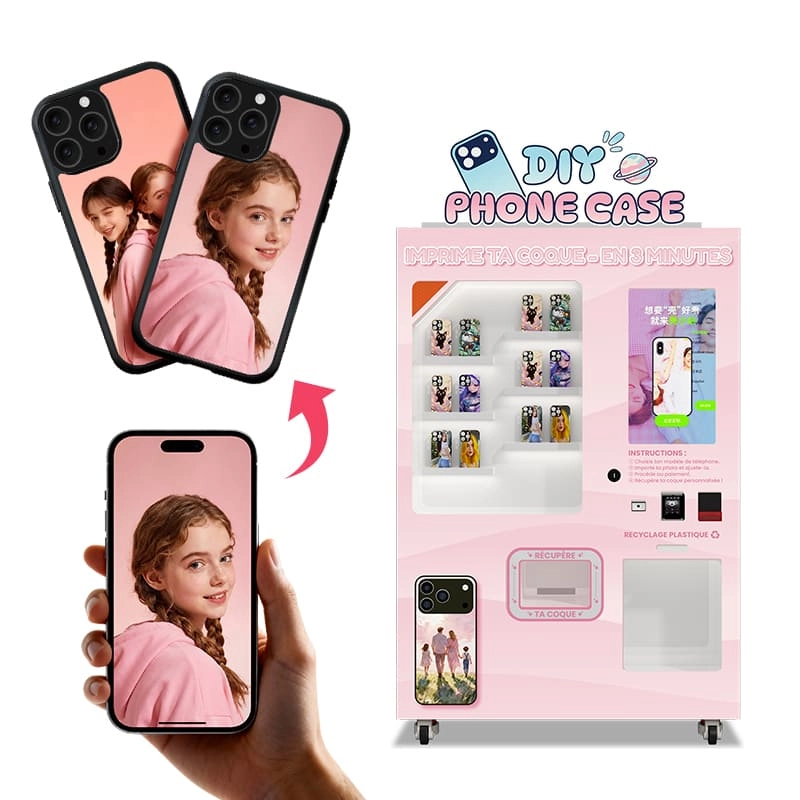
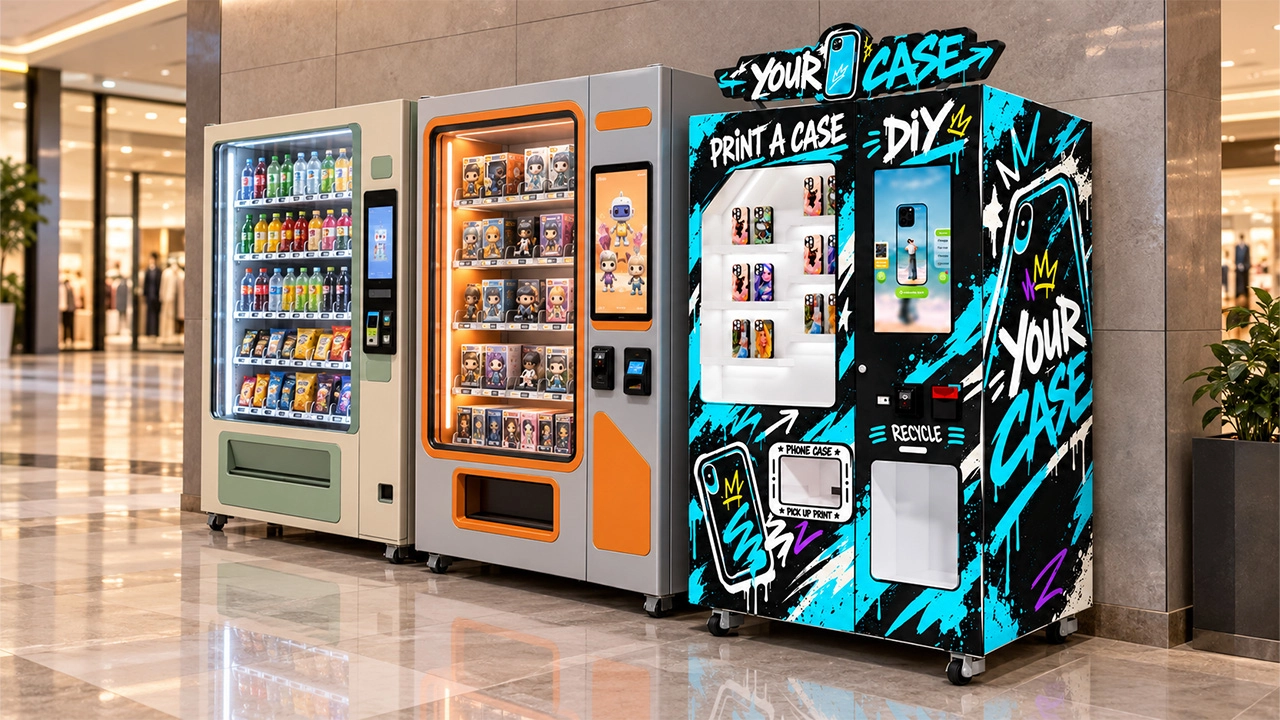
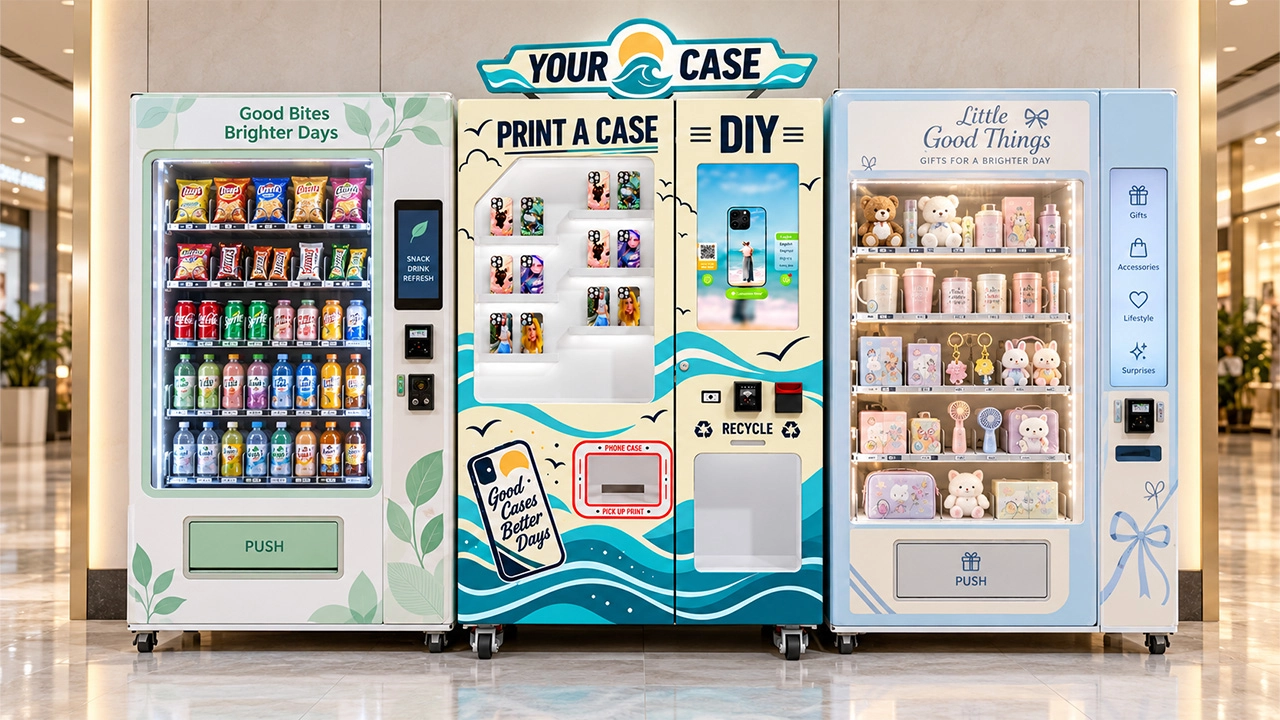
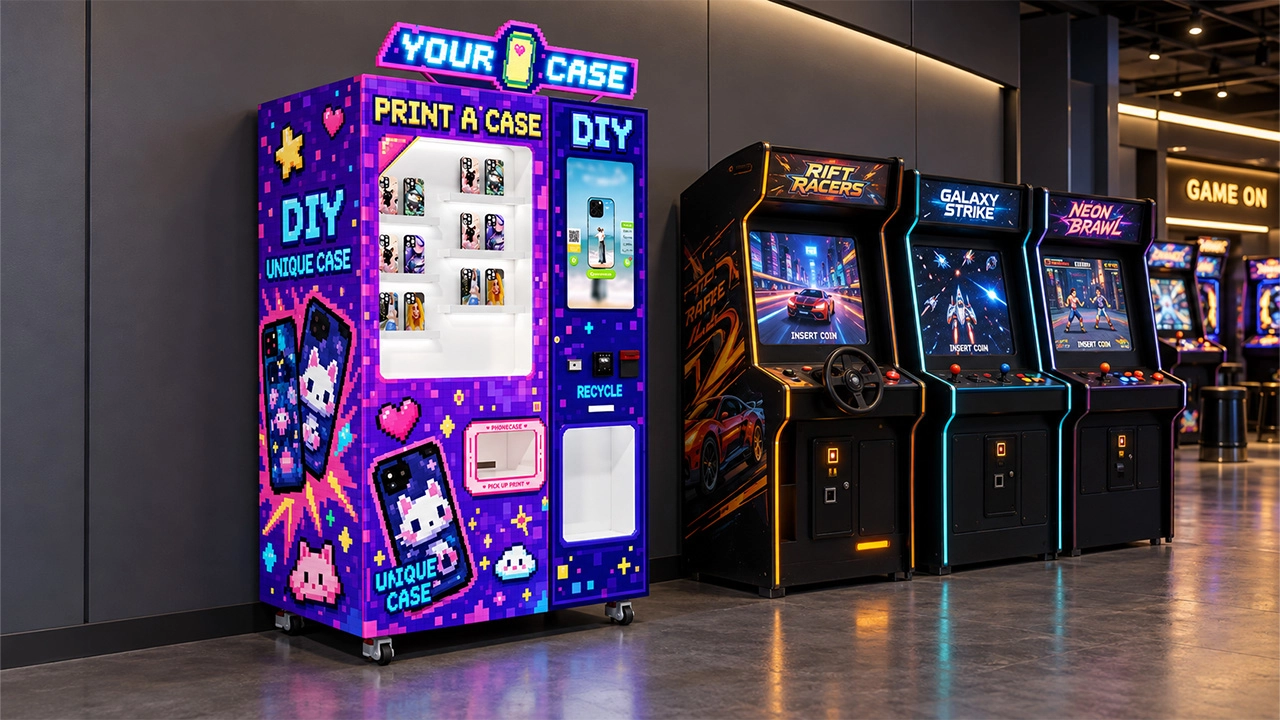
- Capitalize on the high-margin smart retail market with KeMore’s DIY phone case printing vending machine. This unmanned commercial UV printer kiosk provides an interactive self-service personalization experience, delivering custom protective covers in just 3 minutes. Equipped with an intelligent cloud backend for remote inventory monitoring and global payment integration, it’s a turnkey automated business solution for high-traffic malls, campuses, and transit hubs. Compatible with multi-model TPU+PC blanks, this on-demand printing station eliminates stock risks while maximizing ROI. Contact us for wholesale pricing and launch your passive income retail project today!
- •Smart APP Remote Management
- •3-Minute Fast Phone Case Printing
- •Self-Service Design & Payment
- •Automatic Printing and Dispensing
- •Multiple Phone Model Compatibility
- •24/7 After-Sales Support
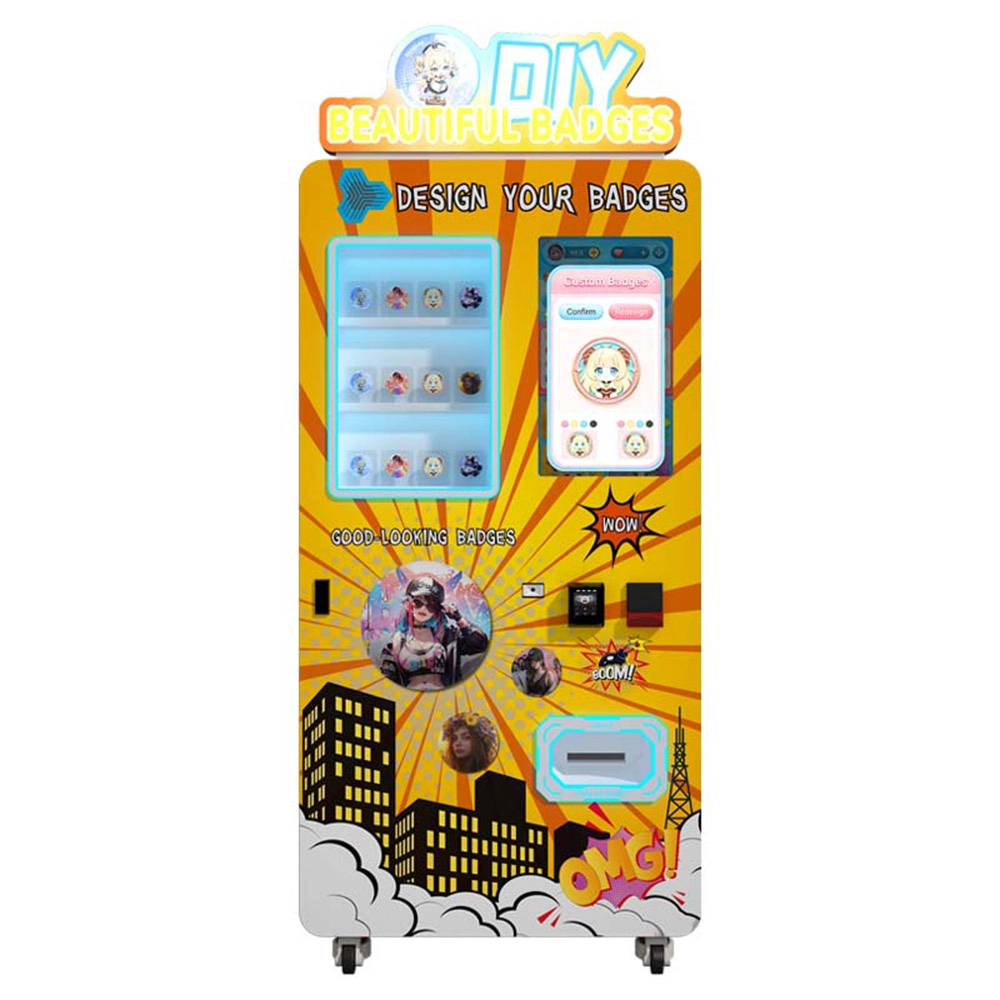
Maximize your ROI in the smart retail market with this innovative custom badge vending machine. Featuring an interactive 27-inch touchscreen, this unmanned DIY badge printing kiosk supports multi-country payments (QR/card) for global deployment in malls and campuses. Boost sales with self-service custom pinback badges and leverage the intelligent cloud backend for remote inventory management and real-time sales tracking. As a leading manufacturer, we provide complete vending machine appearance and UI interface customization services to perfectly fit your branding. Launch your automated, high-margin custom souvenir business with KeMore !
Supplier’s Customization Ability
⦁ Minor customization
⦁ Drawing-based customization
⦁ Sample-based customization
⦁ Full customization
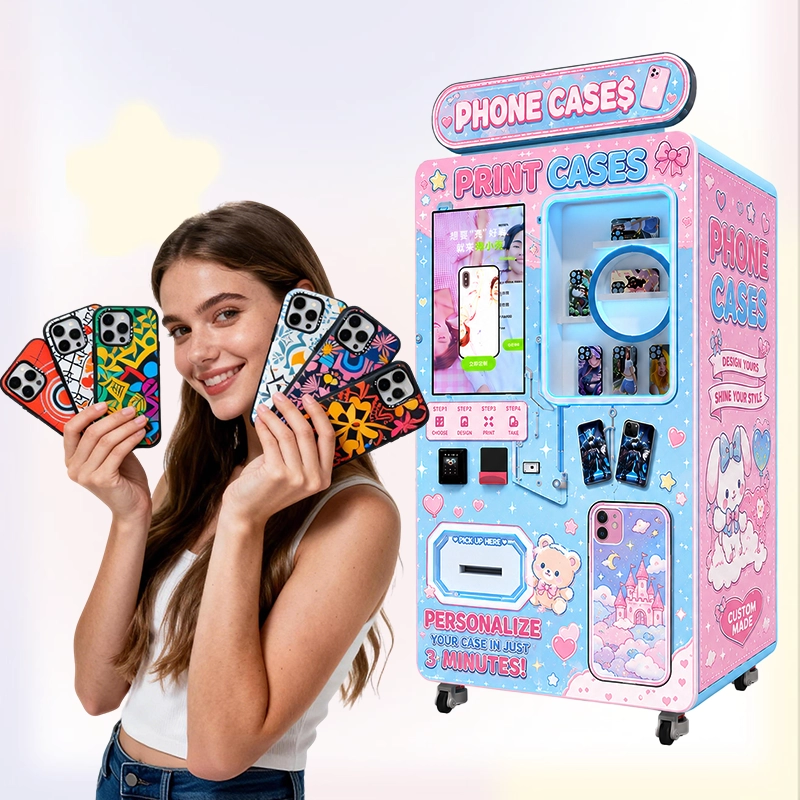
Revolutionize personalized retail using the KeMore Business UV Phone Case Vending Printer. This cutting-edge, self-service 3D cell phone case printing machine empowers customers to upload images and print custom covers in just 3 minutes. Designed for high-traffic environments like campuses and malls, it features a robust metal frame, an interactive 27-inch touchscreen, and an auto-clean function. Powered by an intelligent cloud backend with real-time remote monitoring and flexible multi-payment integration, this turnkey automated business solution maximizes operational efficiency with zero labor requirements.
Supplier’s Customization Ability
⦁ Minor customization
⦁ Drawing-based customization
⦁ Sample-based customization
⦁ Full customization
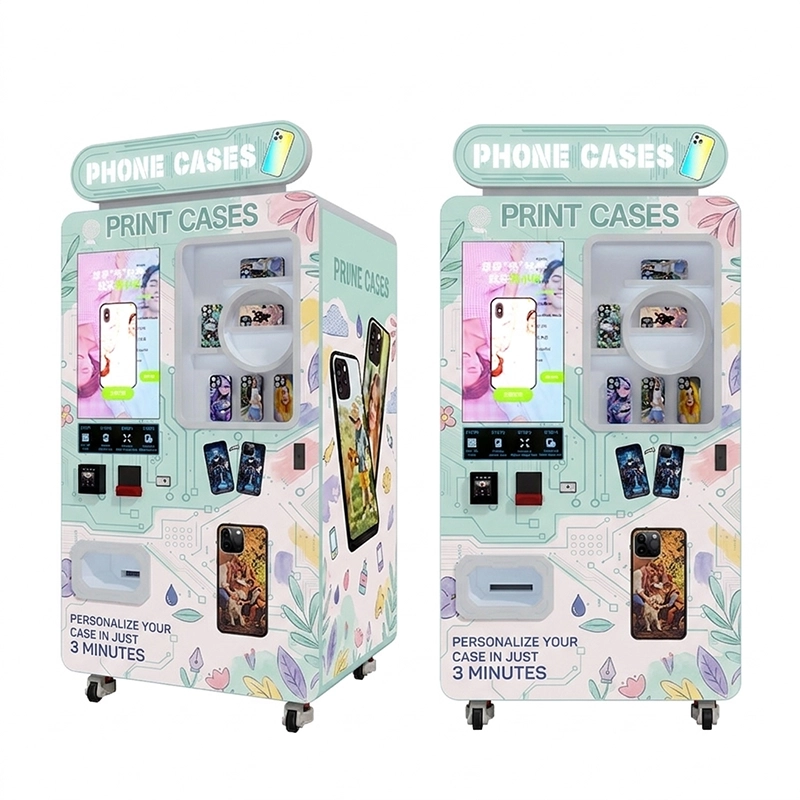
Revolutionize personalized retail using the KeMore Business UV Phone Case Vending Printer. This cutting-edge, self-service 3D cell phone case printing machine empowers customers to upload images and print custom covers in just 3 minutes. Designed for high-traffic environments like campuses and malls, it features a robust metal frame, an interactive 27-inch touchscreen, and an auto-clean function. Powered by an intelligent cloud backend with real-time remote monitoring and flexible multi-payment integration, this turnkey automated business solution maximizes operational efficiency with zero labor requirements.
Supplier’s Customization Ability
⦁ Minor customization
⦁ Drawing-based customization
⦁ Sample-based customization
⦁ Full customization
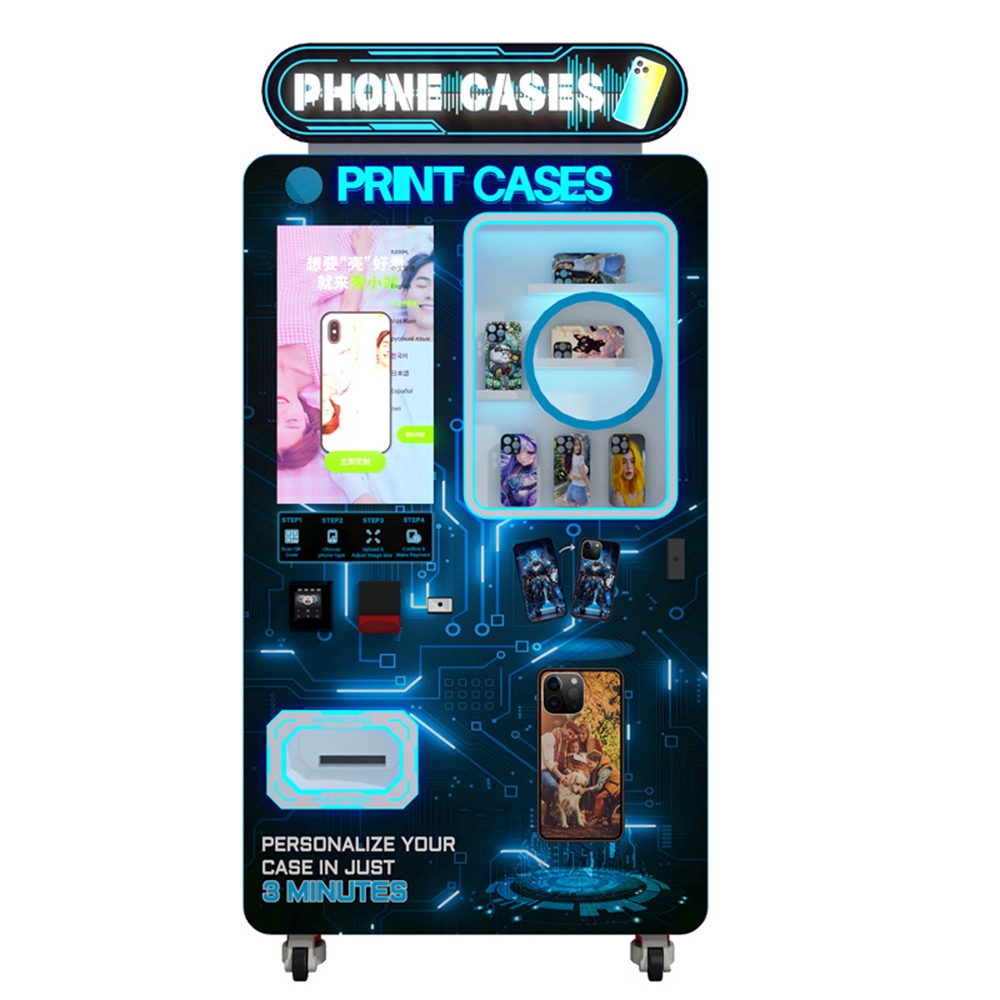
Revolutionize personalized retail using the KeMore Business UV Phone Case Vending Printer. This cutting-edge, self-service 3D cell phone case printing machine empowers customers to upload images and print custom covers in just 3 minutes. Designed for high-traffic environments like campuses and malls, it features a robust metal frame, an interactive 27-inch touchscreen, and an auto-clean function. Powered by an intelligent cloud backend with real-time remote monitoring and flexible multi-payment integration, this turnkey automated business solution maximizes operational efficiency with zero labor requirements.
Supplier’s Customization Ability
⦁ Minor customization
⦁ Drawing-based customization
⦁ Sample-based customization
⦁ Full customization
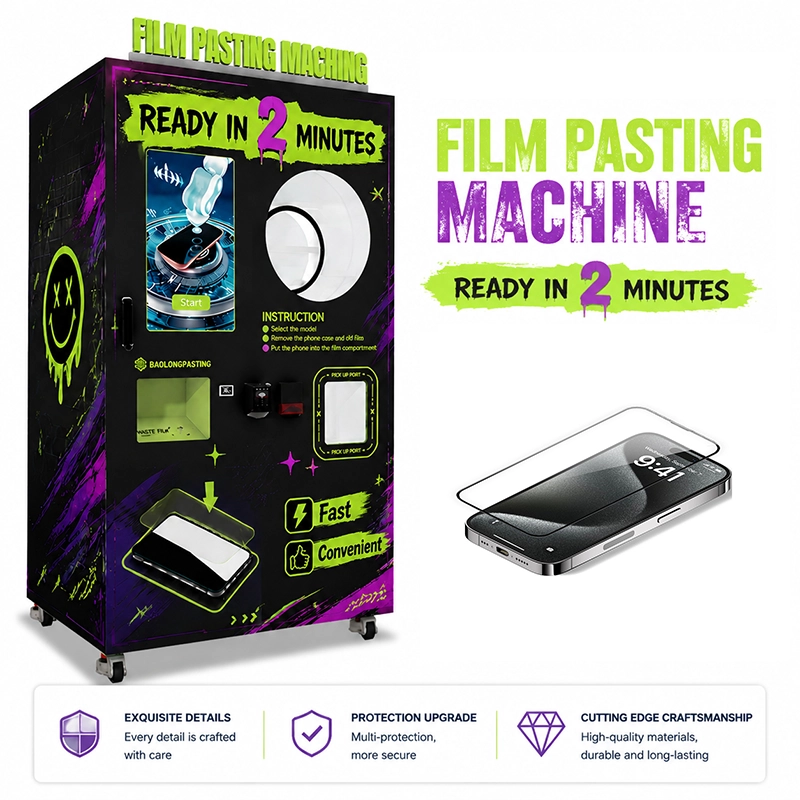
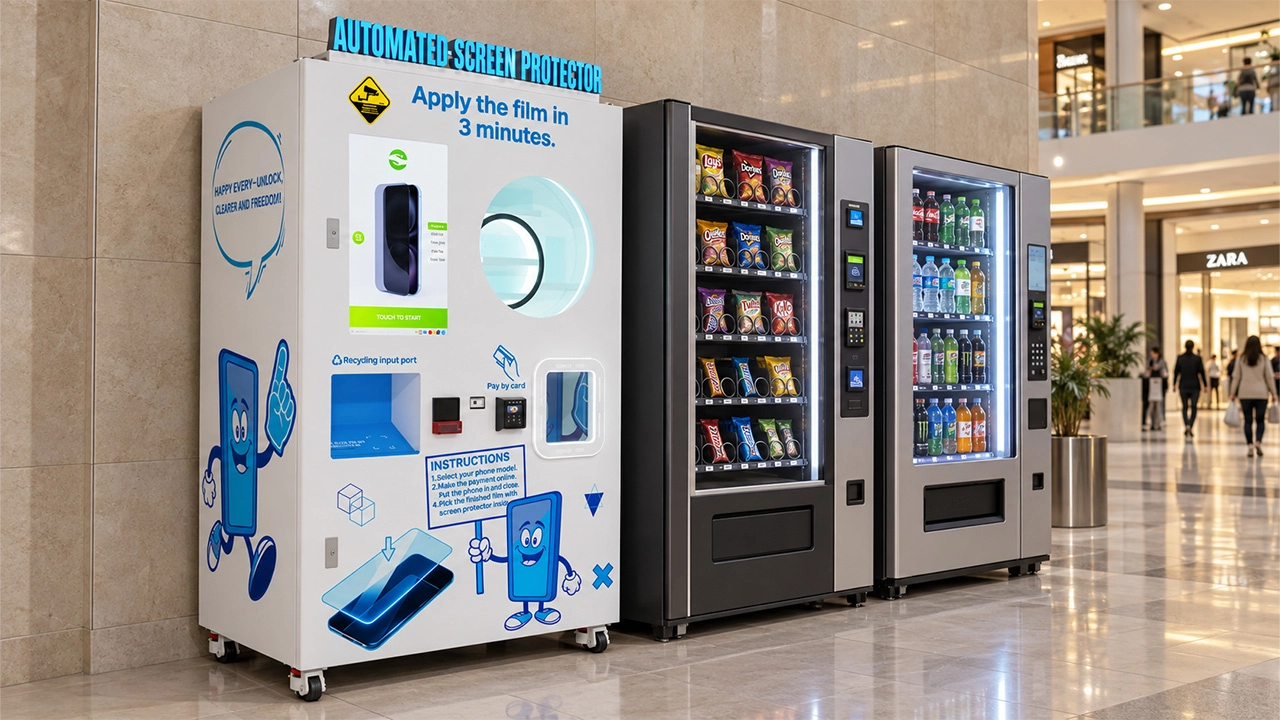
Maximize your retail revenue with the KeMore Automatic Screen Protector Vending Machine. This innovative smart retail kiosk delivers a seamless, unmanned cell phone service by combining precision on-demand film cutting with automated screen protector application and cleaning. Featuring an interactive 27-inch touchscreen, the machine perfectly aligns and applies protectors for various smartphone models in minutes. Equipped with global contactless payment integration and an intelligent cloud backend, operators can track remote inventory monitoring and real-time sales data effortlessly. It is a high-margin, turnkey automated business solution perfect for high-traffic malls, airports, and campuses
Supplier’s Customization Ability
⦁ Minor customization
⦁ Drawing-based customization
⦁ Sample-based customization
⦁ Full customization
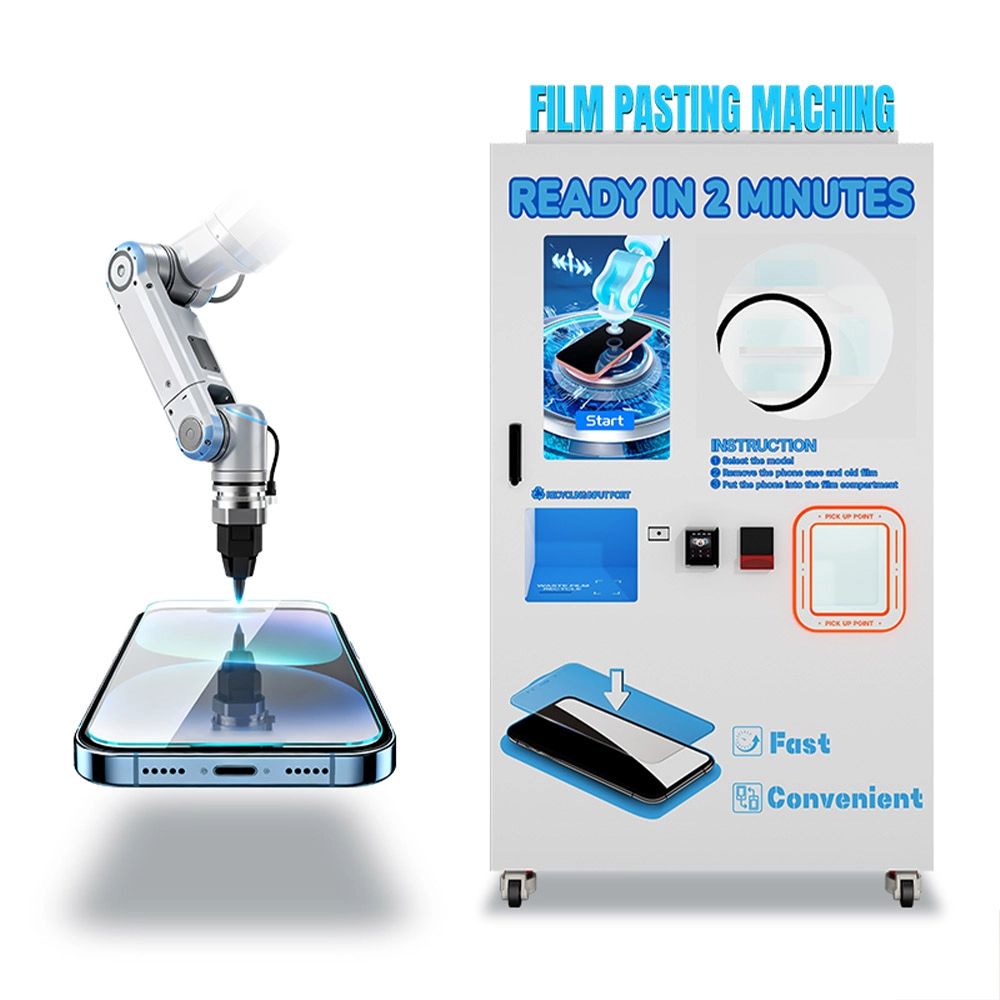
Maximize your retail revenue with the KeMore Automatic Screen Protector Vending Machine. This innovative smart retail kiosk delivers a seamless, unmanned cell phone service by combining precision on-demand film cutting with automated screen protector application and cleaning. Featuring an interactive 27-inch touchscreen, the machine perfectly aligns and applies protectors for various smartphone models in minutes. Equipped with global contactless payment integration and an intelligent cloud backend, operators can track remote inventory monitoring and real-time sales data effortlessly. It is a high-margin, turnkey automated business solution perfect for high-traffic malls, airports, and campuses
Supplier’s Customization Ability
⦁ Minor customization
⦁ Drawing-based customization
⦁ Sample-based customization
⦁ Full customization
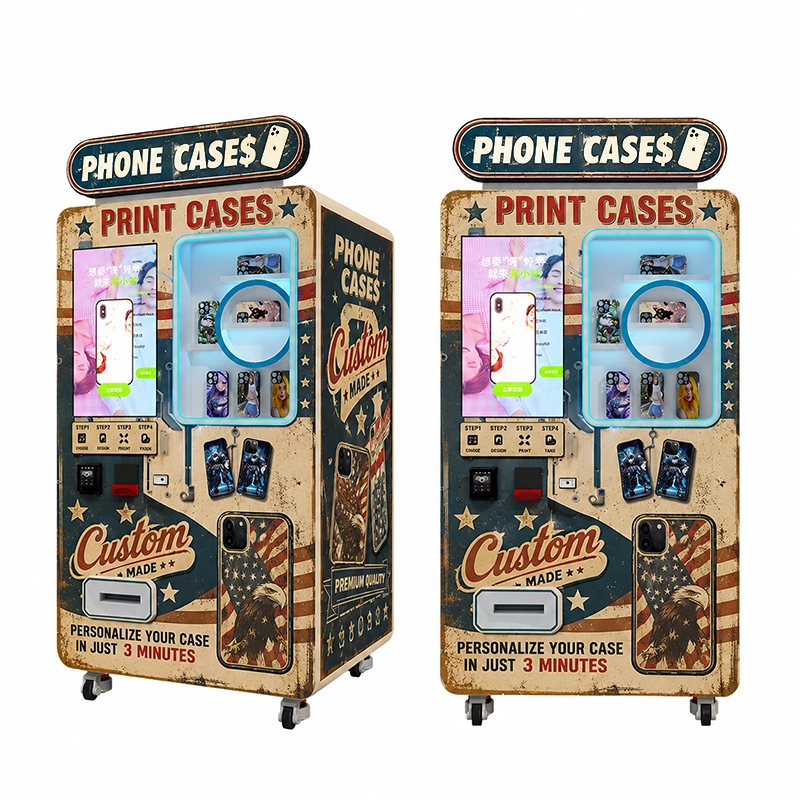
Revolutionize personalized retail using the KeMore Business UV Phone Case Vending Printer. This cutting-edge, self-service 3D cell phone case printing machine empowers customers to upload images and print custom covers in just 3 minutes. Designed for high-traffic environments like campuses and malls, it features a robust metal frame, an interactive 27-inch touchscreen, and an auto-clean function. Powered by an intelligent cloud backend with real-time remote monitoring and flexible multi-payment integration, this turnkey automated business solution maximizes operational efficiency with zero labor requirements.
Supplier’s Customization Ability
⦁ Minor customization
⦁ Drawing-based customization
⦁ Sample-based customization
⦁ Full customization
Let's Talk Business.
Get in Touch with us
If you have any comments or good suggestions, please leave us a message, later our professional staff will contact you as soon as possible.

Guangzhou Kexiaozhan Technology Co., Ltd.
we respond within a few hours
Monday–Friday, 9AM–6PM
+86 189 2573 7135
 No. 28 Xinhuan Village Road, Xinshuikeng Village, Dalong Street, Panyu District, Guangzhou City
Quick Links
Facebook
Instagram
LinkedIn
YouTube
Tik Tok