



Which Printing Materials Work Best for a Custom Phone Case Printing Machine?
Quick Answer
For a custom phone case printing machine, rigid polymer cases with a clean, receptive surface usually offer the most predictable direct-UV workflow; polymer-coated blanks are better suited to sublimation. Choose by process, substrate energy, coating, dimensional fit, and expected handling—not material name alone. KeMore can review machine configuration and sample requirements, but final selection depends on testing and site conditions.
How KeMore Supports Projects
KeMore combines hardware development, software integration, machine manufacturing, and market-operation experience for self-service phone case retail systems. Its relevant support can include equipment configuration discussions, case-format customization, production coordination, quality-control processes, and after-sales support for commercial deployments.
Before quotation, buyers should confirm the printing process, case dimensions, substrate composition, surface finish, artwork workflow, daily demand, and installation environment. MOQ, lead time, testing scope, packaging requirements, and quotation must be confirmed for each project because material compatibility and deployment conditions vary.
Discuss Your Phone Case Material Testing Plan
Send the target market, case models and dimensions, preferred materials, printing method, artwork requirements, expected daily volume, and installation environment. KeMore can discuss suitable substrate options, sample preparation, adhesion checks, production workflow, and commercial configuration. Visit www.kemorevending.com or email kxz@kemore.com to discuss your project-specific material plan.
Frequently Asked Questions
Which case materials print reliably with direct UV technology?
Direct UV printing generally performs more consistently on rigid or semi-rigid cases with a clean, uniform, print-receptive surface. Polycarbonate and other rigid polymer cases can provide useful dimensional stability during positioning, while some coated blanks are engineered specifically to accept UV inks. Bare, low-energy, oily, or highly flexible surfaces can create adhesion and cracking concerns. The correct qualification method is a sample test using the intended ink system, curing conditions, artwork coverage, and handling method. Check adhesion after curing, rubbing, bending where relevant, and exposure to the cleaning products used at the retail site. A case that prints well immediately may still be unsuitable if the surface finish changes during storage or customer use.
Are TPU and silicone cases suitable for machine printing?
TPU can be printable, but its flexibility, additives, texture, and surface energy vary significantly between suppliers. A rigid-looking TPU model may still flex enough to stress the ink film, particularly across corners and camera openings. Silicone presents a more difficult direct-print surface because it is highly flexible and commonly has low surface energy; untreated silicone can resist ink wetting and adhesion. Buyers should not approve either material from a single flat sample. Test the exact case formulation and geometry, then inspect stretch resistance, edge adhesion, abrasion, and transfer after curing. If direct printing remains inconsistent, a different case construction, compatible coating, or alternative decoration process may be more appropriate.
When should sublimation blanks replace direct-print phone cases?
Sublimation is appropriate when the case has a suitable polyester or polymer coating designed to receive sublimation dye. Heat transfers the dye into that coating, so an ordinary uncoated TPU, silicone, or metal surface is not automatically compatible. Sublimation blanks can produce detailed graphics with a smooth coated face, but they require controlled temperature, pressure, dwell time, alignment, and heat-resistant fixtures. Those requirements can affect vending-machine cycle time and operator workflow. Direct UV printing may be preferable when the business needs immediate decoration on a broader range of rigid case formats, while sublimation can suit standardized coated blanks and a controlled heat-transfer process. Compare waste, throughput, blank availability, and replacement cost before selecting the method.
How does surface treatment affect print adhesion and durability?
Surface treatment changes how ink wets, cures, and bonds to the case. Mold-release residue, silicone additives, oils, dust, and fingerprints can reduce adhesion even when the substrate itself is technically printable. A textured face can also reduce effective contact between the ink layer and the surface. Cleaning, plasma or flame treatment, primer, and specially formulated coatings may improve compatibility, but each intervention must be validated with the selected ink and case material. Treatment can also alter color, gloss, flexibility, or appearance. Establish a repeatable preparation procedure, define acceptable visual and adhesion limits, and retest when the supplier, coating batch, case color, or molding process changes.
What material tests should a vending deployment complete first?
Begin with a representative sample set rather than a single showcase case. Include the intended colors, textures, camera cutouts, flexible areas, and supplier batches. Verify physical fit in the fixture, print registration, curing or heat-transfer cycle, surface coverage, color appearance, and finished-case handling. Then assess adhesion through controlled rub or tape checks, edge inspection, bending where the case is designed to flex, and exposure to the cleaning agents used in the location. Record failure modes, reprint time, consumable use, and operator interventions. A vending deployment also needs a replenishment plan for approved blanks, because a visually acceptable prototype is not sufficient evidence of repeatable commercial operation.
Do glossy and textured cases require different print settings?
They often require different preparation and validation, even when the nominal material is identical. Glossy surfaces can expose dust, banding, ink spread, and registration errors more clearly, while deep texture can interrupt ink contact and produce uneven highlights or weak coverage in recessed areas. Adjustments may involve fixture support, print height, ink volume, white-ink strategy, curing conditions, artwork placement, or a decision to exclude certain textures from the standard catalog. Do not change several variables at once; isolate the substrate finish first and document the resulting profile. Standardizing approved case finishes helps a self-service retail system maintain predictable output without relying on improvised operator decisions.
You May Also Like
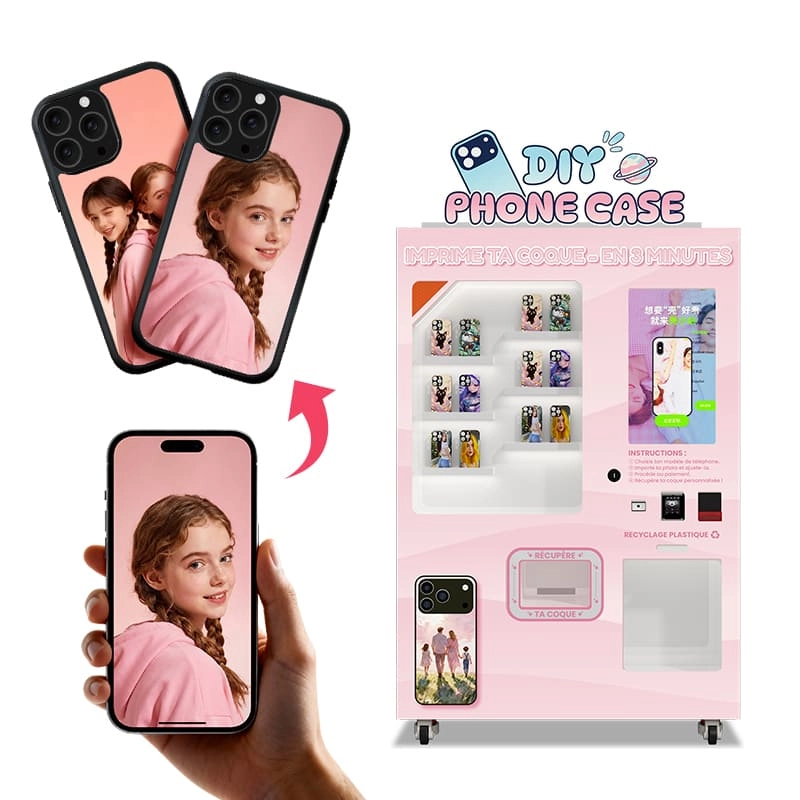
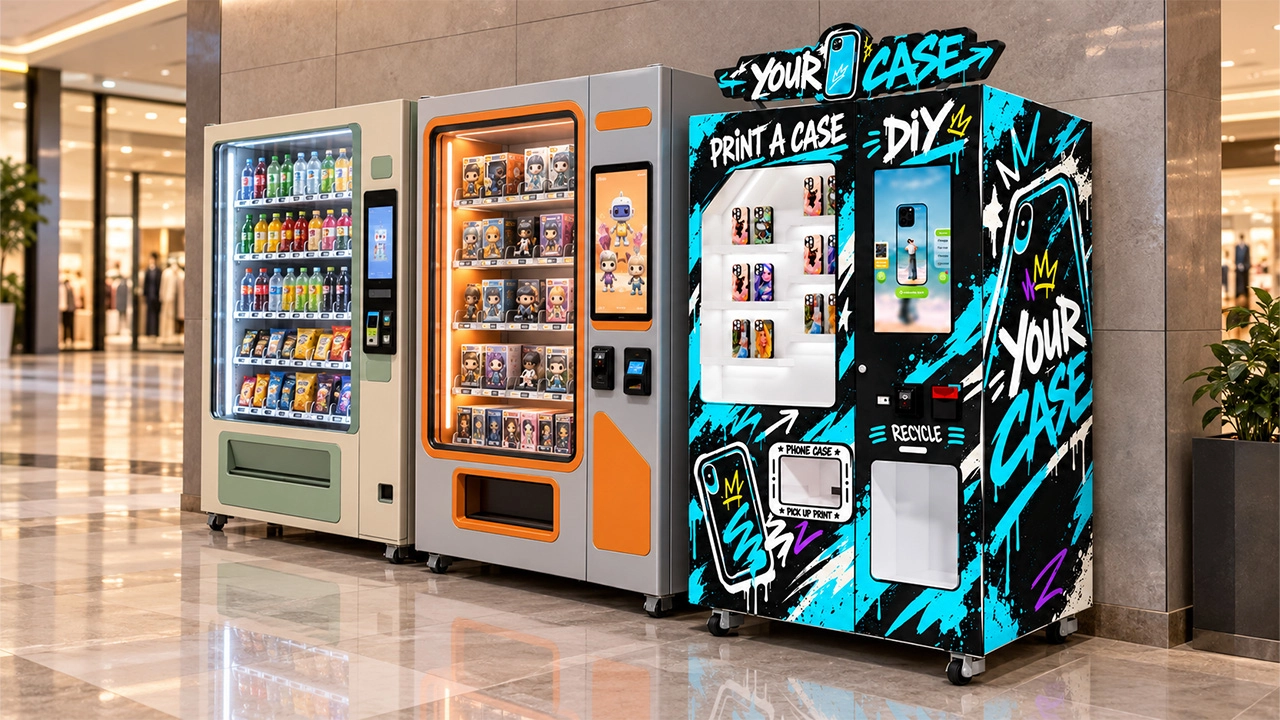
- Capitalize on the high-margin smart retail market with KeMore’s DIY phone case printing vending machine. This unmanned commercial UV printer kiosk provides an interactive self-service personalization experience, delivering custom protective covers in just 3 minutes. Equipped with an intelligent cloud backend for remote inventory monitoring and global payment integration, it’s a turnkey automated business solution for high-traffic malls, campuses, and transit hubs. Compatible with multi-model TPU+PC blanks, this on-demand printing station eliminates stock risks while maximizing ROI. Contact us for wholesale pricing and launch your passive income retail project today!
- •Smart APP Remote Management
- •3-Minute Fast Phone Case Printing
- •Self-Service Design & Payment
- •Automatic Printing and Dispensing
- •Multiple Phone Model Compatibility
- •24/7 After-Sales Support
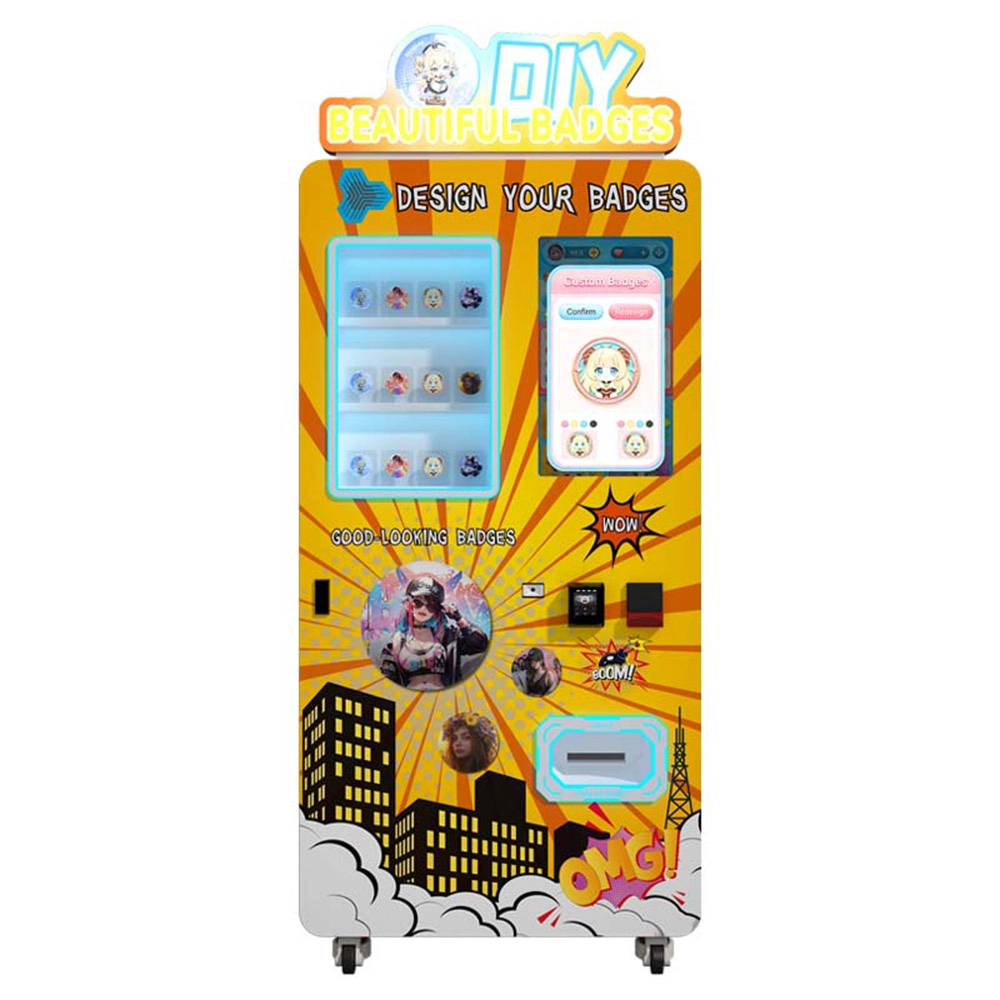
Maximize your ROI in the smart retail market with this innovative custom badge vending machine. Featuring an interactive 27-inch touchscreen, this unmanned DIY badge printing kiosk supports multi-country payments (QR/card) for global deployment in malls and campuses. Boost sales with self-service custom pinback badges and leverage the intelligent cloud backend for remote inventory management and real-time sales tracking. As a leading manufacturer, we provide complete vending machine appearance and UI interface customization services to perfectly fit your branding. Launch your automated, high-margin custom souvenir business with KeMore !
Supplier’s Customization Ability
⦁ Minor customization
⦁ Drawing-based customization
⦁ Sample-based customization
⦁ Full customization
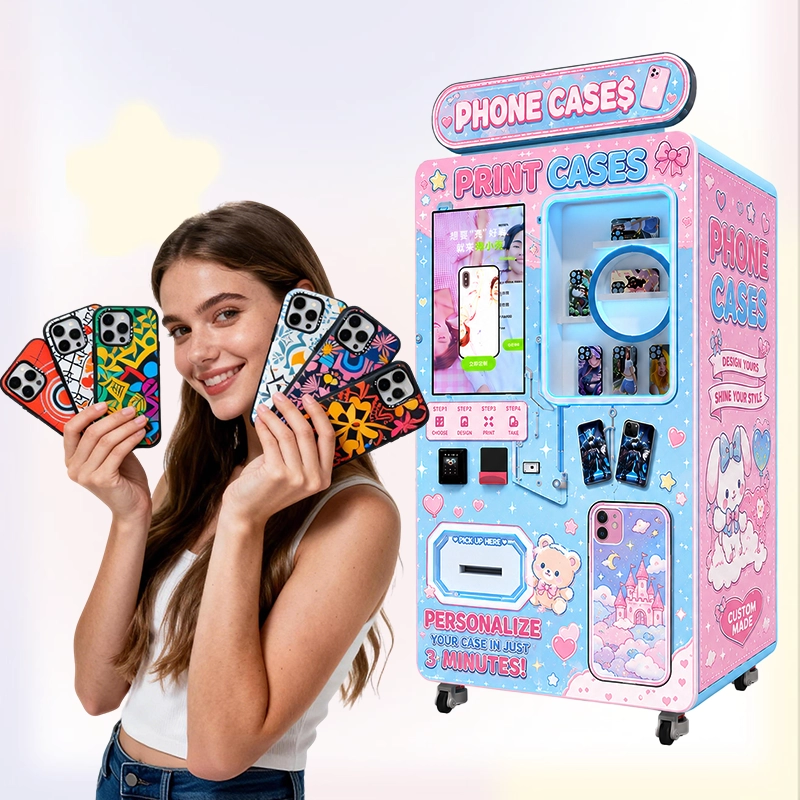
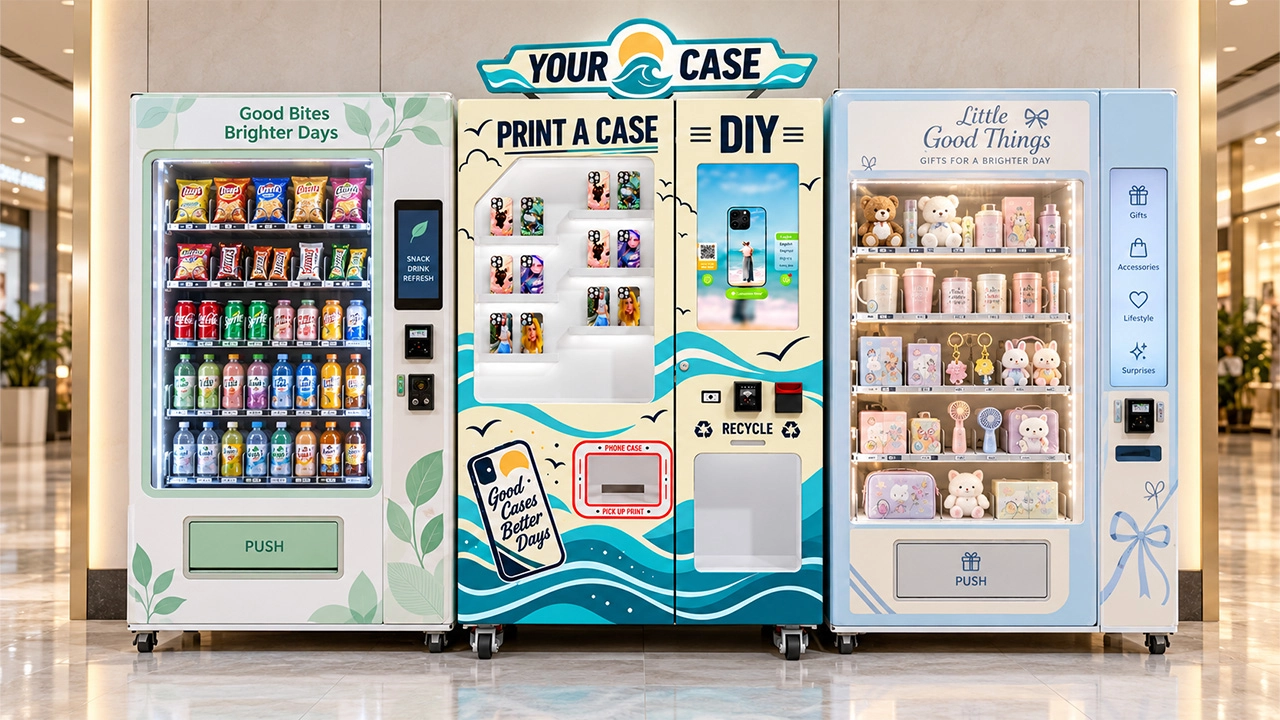
Revolutionize personalized retail using the KeMore Business UV Phone Case Vending Printer. This cutting-edge, self-service 3D cell phone case printing machine empowers customers to upload images and print custom covers in just 3 minutes. Designed for high-traffic environments like campuses and malls, it features a robust metal frame, an interactive 27-inch touchscreen, and an auto-clean function. Powered by an intelligent cloud backend with real-time remote monitoring and flexible multi-payment integration, this turnkey automated business solution maximizes operational efficiency with zero labor requirements.
Supplier’s Customization Ability
⦁ Minor customization
⦁ Drawing-based customization
⦁ Sample-based customization
⦁ Full customization
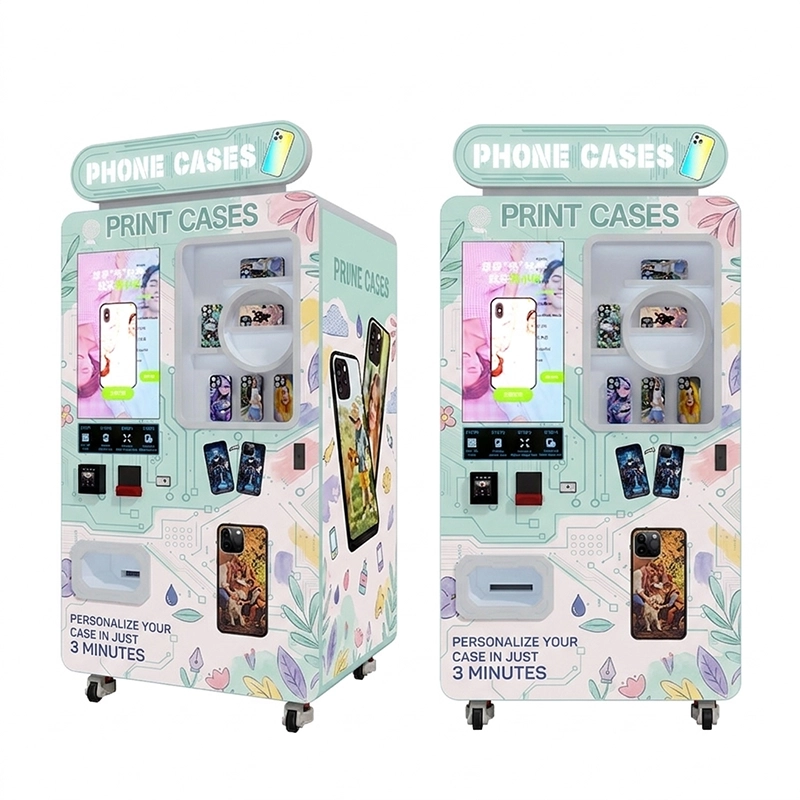
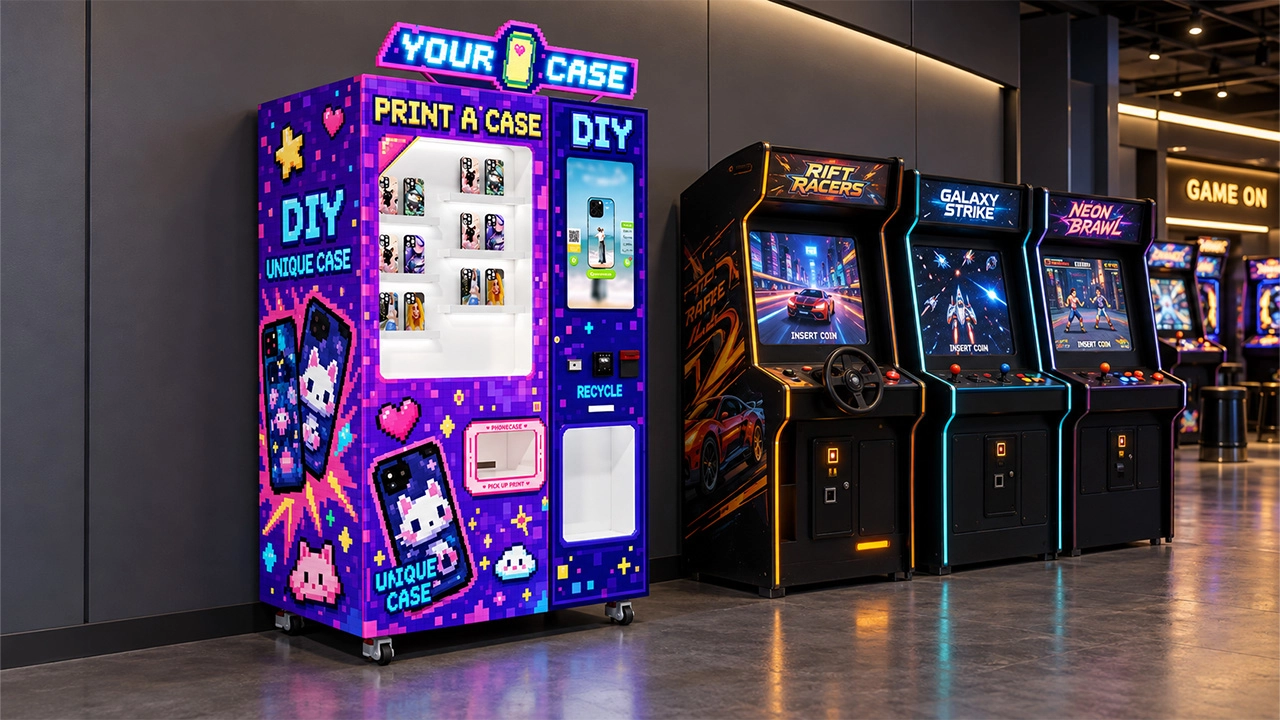
Revolutionize personalized retail using the KeMore Business UV Phone Case Vending Printer. This cutting-edge, self-service 3D cell phone case printing machine empowers customers to upload images and print custom covers in just 3 minutes. Designed for high-traffic environments like campuses and malls, it features a robust metal frame, an interactive 27-inch touchscreen, and an auto-clean function. Powered by an intelligent cloud backend with real-time remote monitoring and flexible multi-payment integration, this turnkey automated business solution maximizes operational efficiency with zero labor requirements.
Supplier’s Customization Ability
⦁ Minor customization
⦁ Drawing-based customization
⦁ Sample-based customization
⦁ Full customization
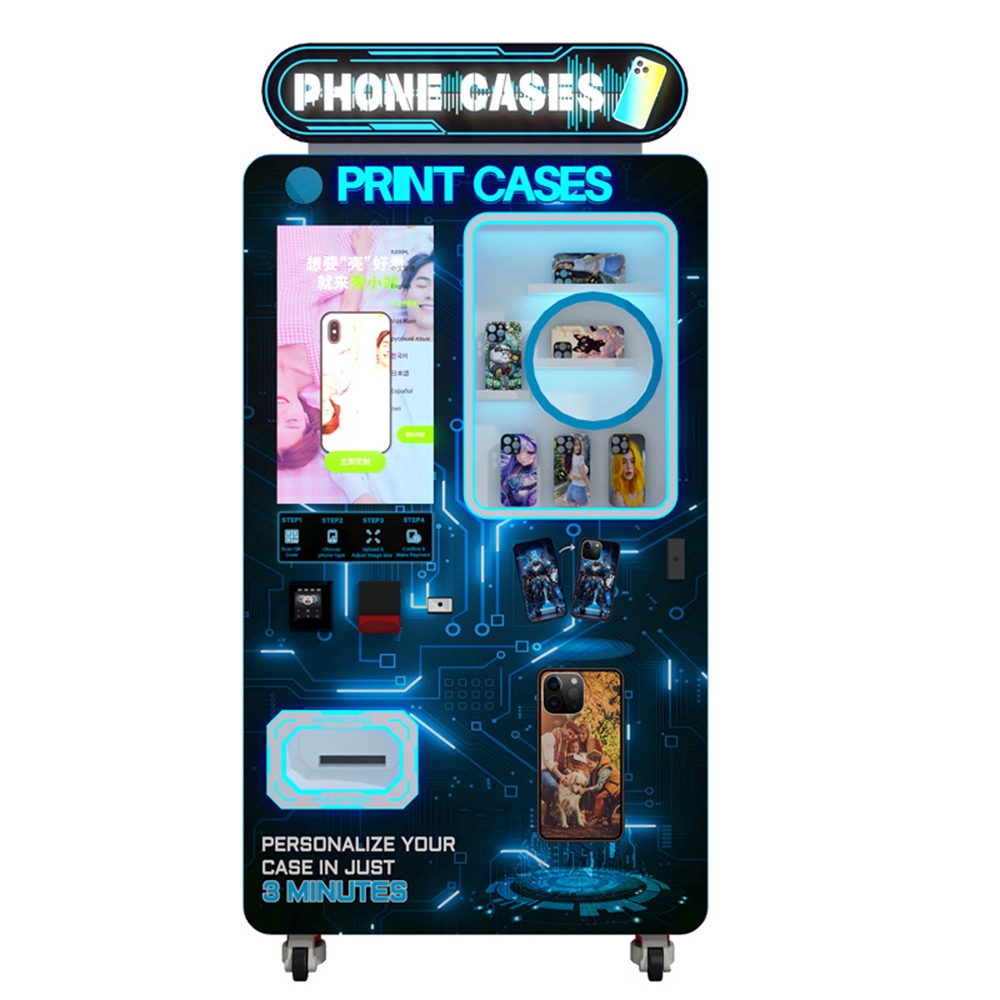
Revolutionize personalized retail using the KeMore Business UV Phone Case Vending Printer. This cutting-edge, self-service 3D cell phone case printing machine empowers customers to upload images and print custom covers in just 3 minutes. Designed for high-traffic environments like campuses and malls, it features a robust metal frame, an interactive 27-inch touchscreen, and an auto-clean function. Powered by an intelligent cloud backend with real-time remote monitoring and flexible multi-payment integration, this turnkey automated business solution maximizes operational efficiency with zero labor requirements.
Supplier’s Customization Ability
⦁ Minor customization
⦁ Drawing-based customization
⦁ Sample-based customization
⦁ Full customization
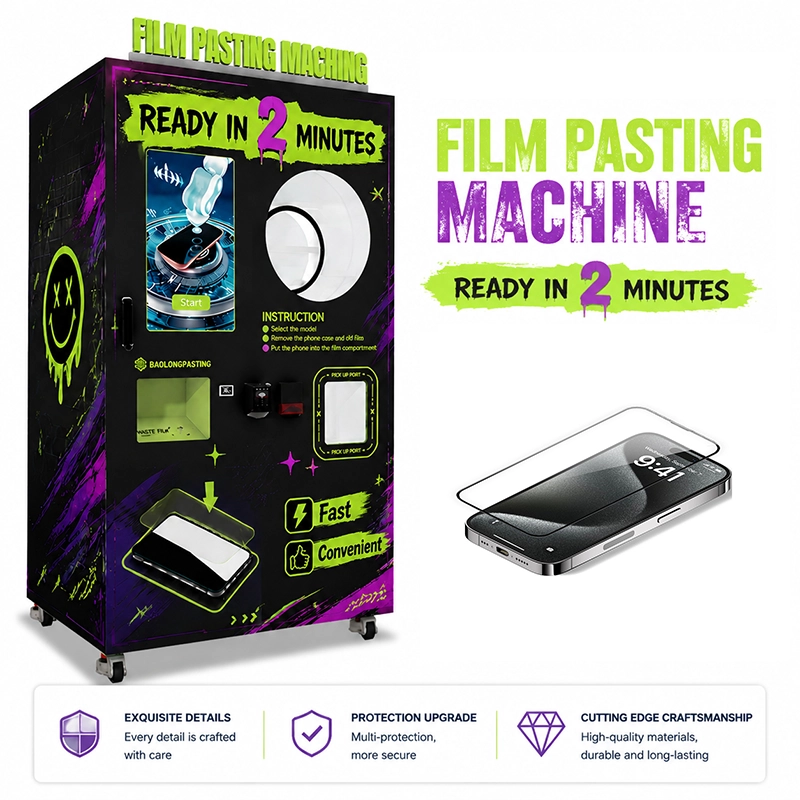
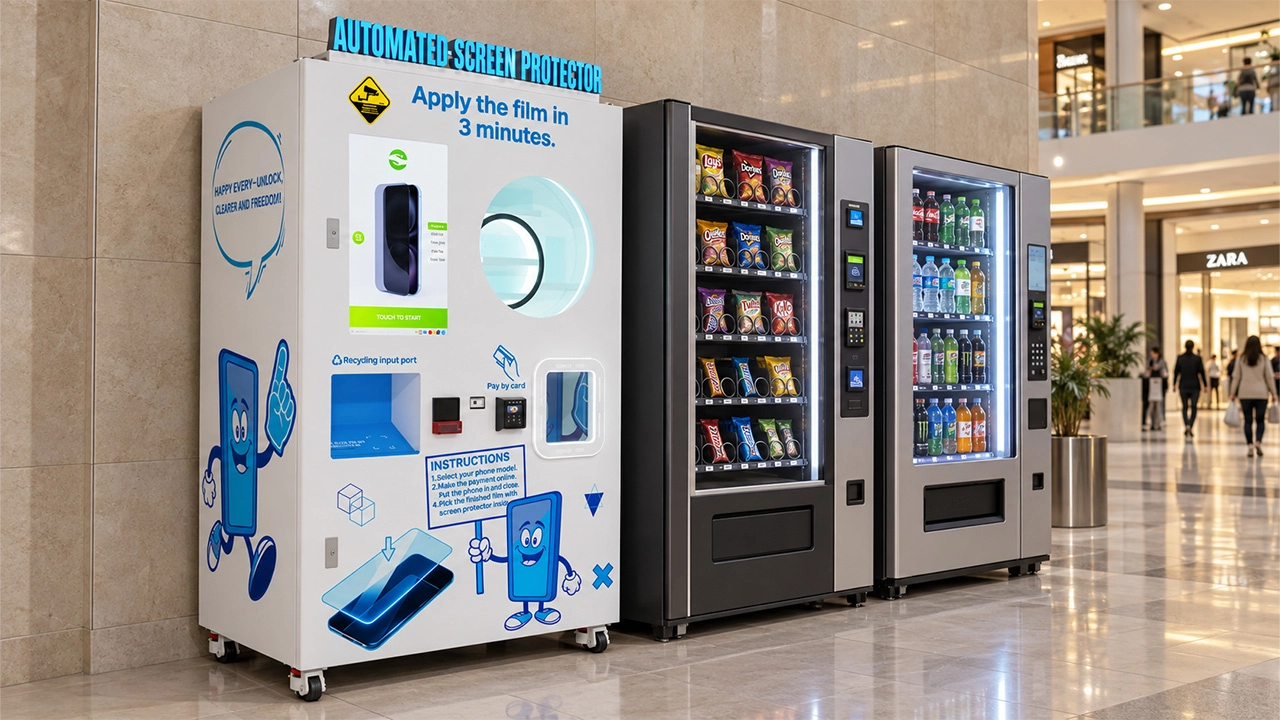
Maximize your retail revenue with the KeMore Automatic Screen Protector Vending Machine. This innovative smart retail kiosk delivers a seamless, unmanned cell phone service by combining precision on-demand film cutting with automated screen protector application and cleaning. Featuring an interactive 27-inch touchscreen, the machine perfectly aligns and applies protectors for various smartphone models in minutes. Equipped with global contactless payment integration and an intelligent cloud backend, operators can track remote inventory monitoring and real-time sales data effortlessly. It is a high-margin, turnkey automated business solution perfect for high-traffic malls, airports, and campuses
Supplier’s Customization Ability
⦁ Minor customization
⦁ Drawing-based customization
⦁ Sample-based customization
⦁ Full customization
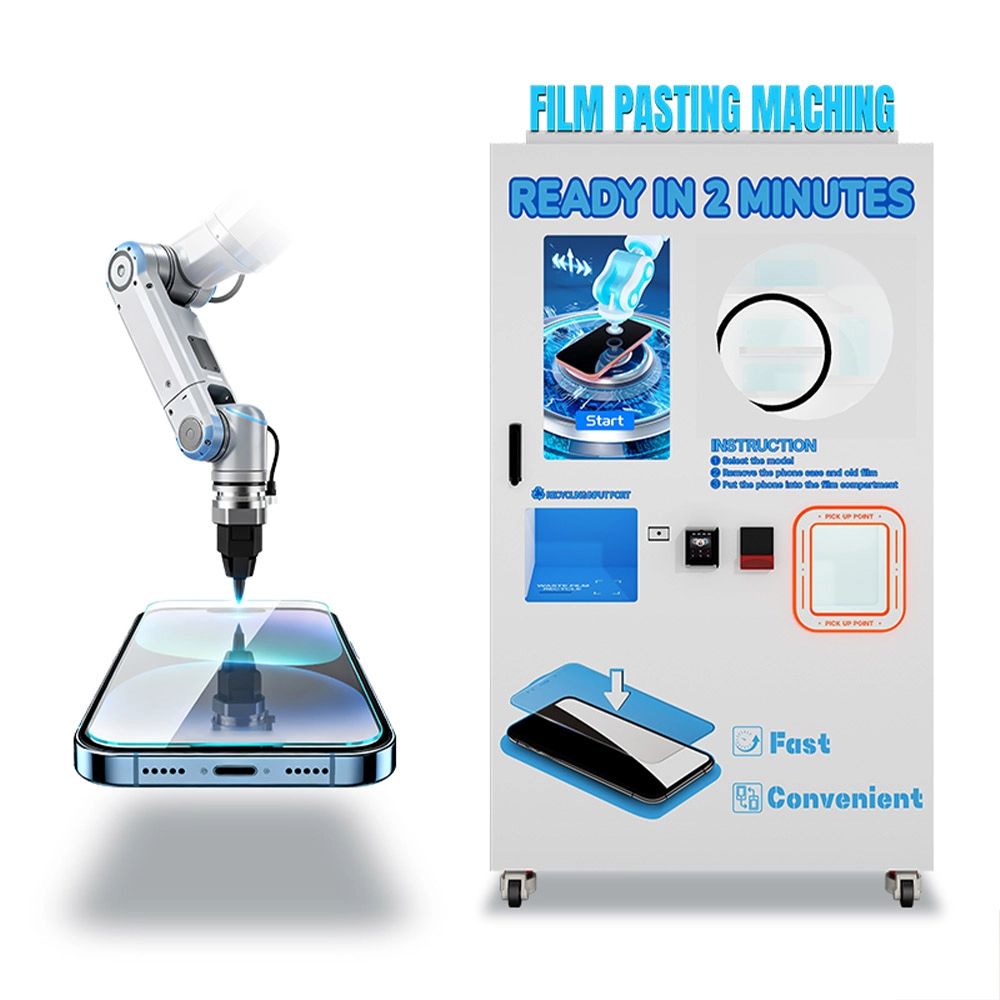
Maximize your retail revenue with the KeMore Automatic Screen Protector Vending Machine. This innovative smart retail kiosk delivers a seamless, unmanned cell phone service by combining precision on-demand film cutting with automated screen protector application and cleaning. Featuring an interactive 27-inch touchscreen, the machine perfectly aligns and applies protectors for various smartphone models in minutes. Equipped with global contactless payment integration and an intelligent cloud backend, operators can track remote inventory monitoring and real-time sales data effortlessly. It is a high-margin, turnkey automated business solution perfect for high-traffic malls, airports, and campuses
Supplier’s Customization Ability
⦁ Minor customization
⦁ Drawing-based customization
⦁ Sample-based customization
⦁ Full customization
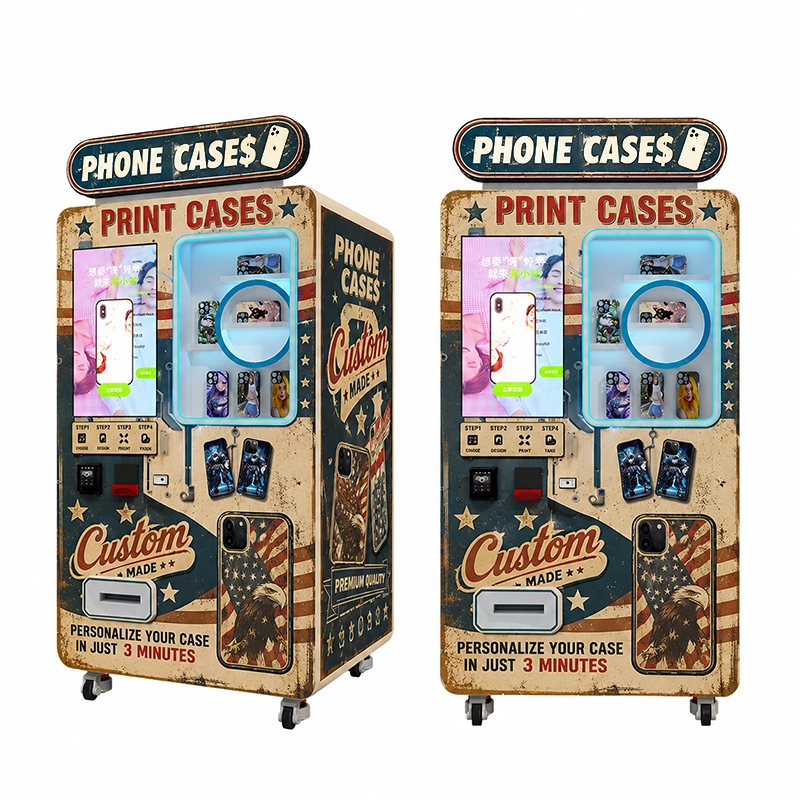
Revolutionize personalized retail using the KeMore Business UV Phone Case Vending Printer. This cutting-edge, self-service 3D cell phone case printing machine empowers customers to upload images and print custom covers in just 3 minutes. Designed for high-traffic environments like campuses and malls, it features a robust metal frame, an interactive 27-inch touchscreen, and an auto-clean function. Powered by an intelligent cloud backend with real-time remote monitoring and flexible multi-payment integration, this turnkey automated business solution maximizes operational efficiency with zero labor requirements.
Supplier’s Customization Ability
⦁ Minor customization
⦁ Drawing-based customization
⦁ Sample-based customization
⦁ Full customization
Let's Talk Business.
Get in Touch with us
If you have any comments or good suggestions, please leave us a message, later our professional staff will contact you as soon as possible.

Guangzhou Kexiaozhan Technology Co., Ltd.
we respond within a few hours
Monday–Friday, 9AM–6PM
+86 189 2573 7135
 No. 28 Xinhuan Village Road, Xinshuikeng Village, Dalong Street, Panyu District, Guangzhou City
Quick Links
Facebook
Instagram
LinkedIn
YouTube
Tik Tok